Option B preview: an estimate of this site built with Wix's standard blocks. Not an actual Wix page.← Back to the comparison
Hawaiʻi-based · Native plant propagation

Growing Pacific Rim plants better and faster.

What if you could grow better plants, with less labor, faster and healthier, in a different type of pot? We grow native Hawaiian plants in the Mora Sheet Pot and show other growers how to do the same.

See how it works Plants we grow
9Native species grown
~$0.30Cost per sheet pot
0Up-pottings needed
10 moʻŌhiʻa from seed to outplanting size
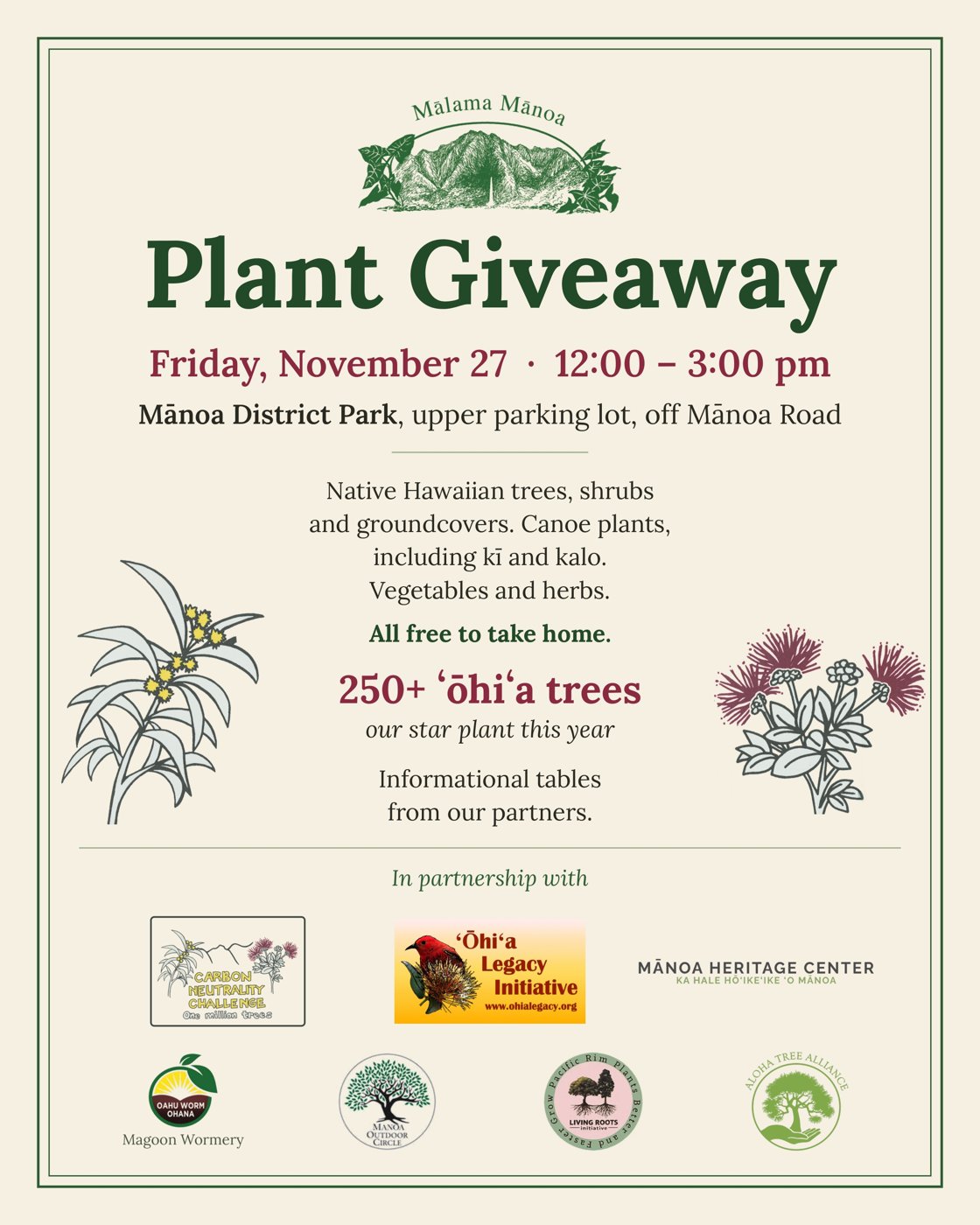
Plant Giveaway poster
Upcoming event

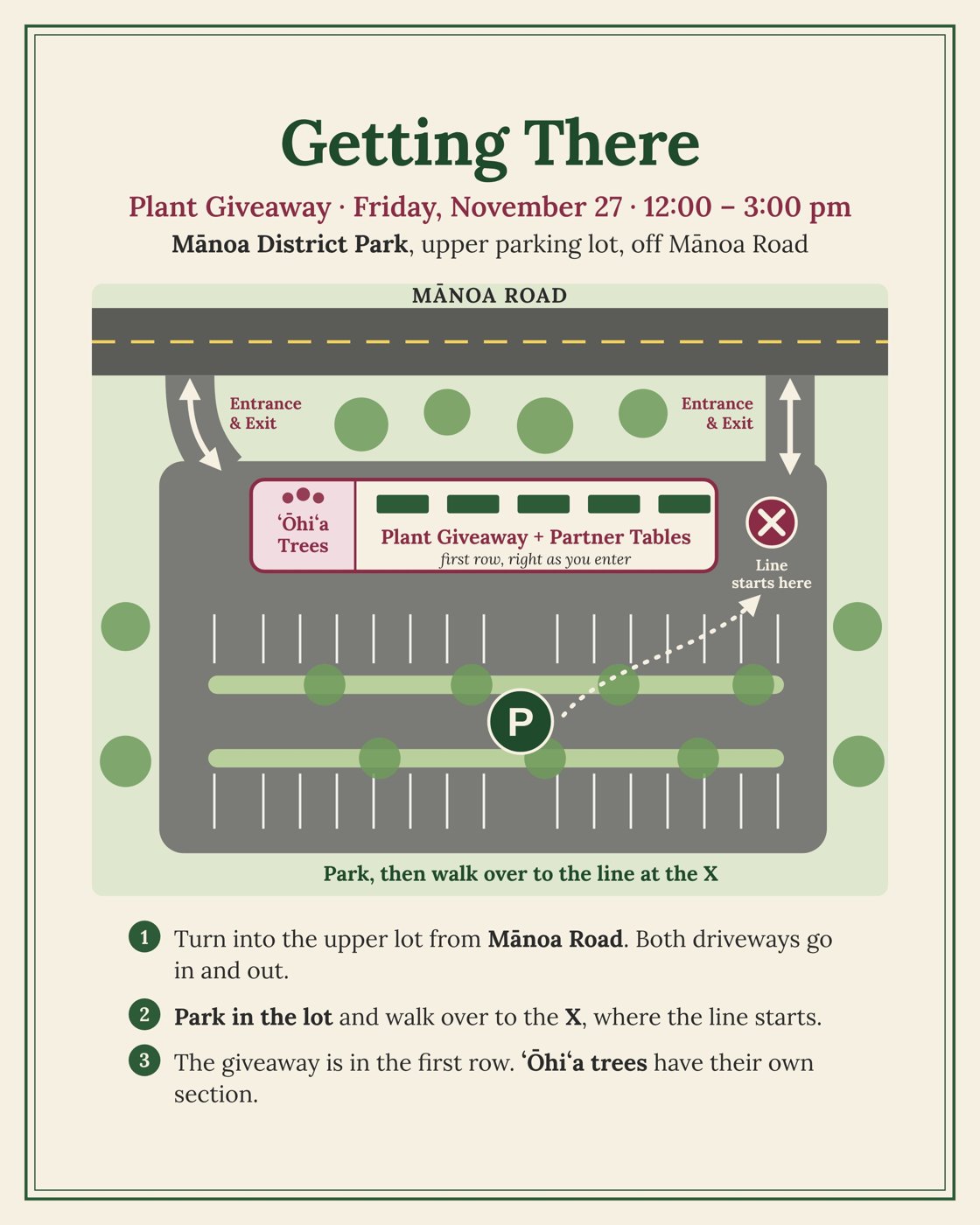
Plant Giveaway: free native plants for Mānoa.

Friday, November 27, 2026 · 12:00 to 3:00 pm
Mānoa District Park, upper parking lot, off Mānoa Road

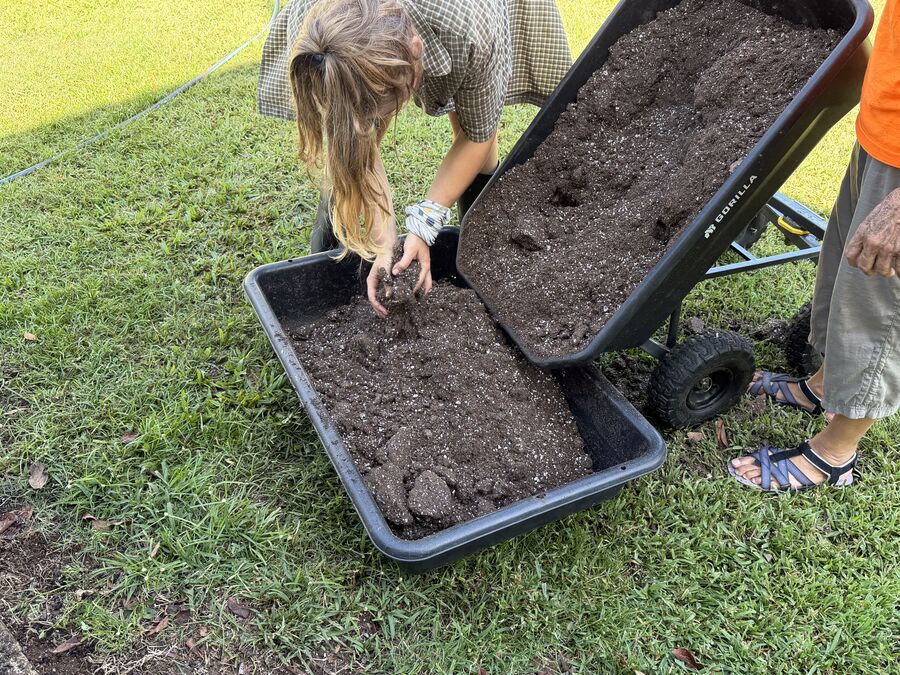
Mālama Mānoa's annual giveaway: more than 750 plants, free to take home. Native Hawaiian trees, shrubs and groundcovers, canoe plants including kī and kalo, vegetables and herbs. This year's star is ʻōhiʻa, with 250+ trees. Most of the plants come from our nursery, and all were grown in Mora Sheet Pots.

View the poster Parking map

Led by Mālama Mānoa, in partnership with Mānoa Outdoor Circle, Carbon Neutrality Challenge, ʻŌhiʻa Legacy Initiative, Mānoa Heritage Center, Aloha Tree Alliance, Oahu Worm Ohana and Living Roots Initiative.

Growing for survival

A healthy seedling is the whole game.

Successful outplanting starts long before a tree reaches the ground: roots that head straight down, height to clear competing weeds, and a root system that isn't bound or circling. Our mission is to advance knowledge about the propagation and planting of native and culturally significant plants, producing healthier, faster-growing seedlings by growing our plants exclusively in Mora Sheet Pots.

  • Native Hawaiian species
  • Science-based method
  • Open & shared knowledge
  • Low-cost & scalable
What drives us

Mission, vision & impact

Mission

To advance knowledge about the propagation and planting of native and culturally significant plants, producing healthier, faster-growing seedlings by growing our plants exclusively in Mora Sheet Pots.

Vision

We believe we are growing more than trees. We are growing a network of knowledge rooted in science, culture, education, and collaboration. By working together with researchers, practitioners, community organizations, educators, and volunteers, we can restore healthier forests, reduce our carbon footprint, strengthen our communities, and leave a lasting legacy for future generations.

Impact

Living Roots was founded to address a critical gap in planting success: the need for scalable, scientifically tested propagation and planting methods that reduce planting failures and improve long-term survival.

Our method — the Mora Sheet Pot

The pot that changed how we grow.

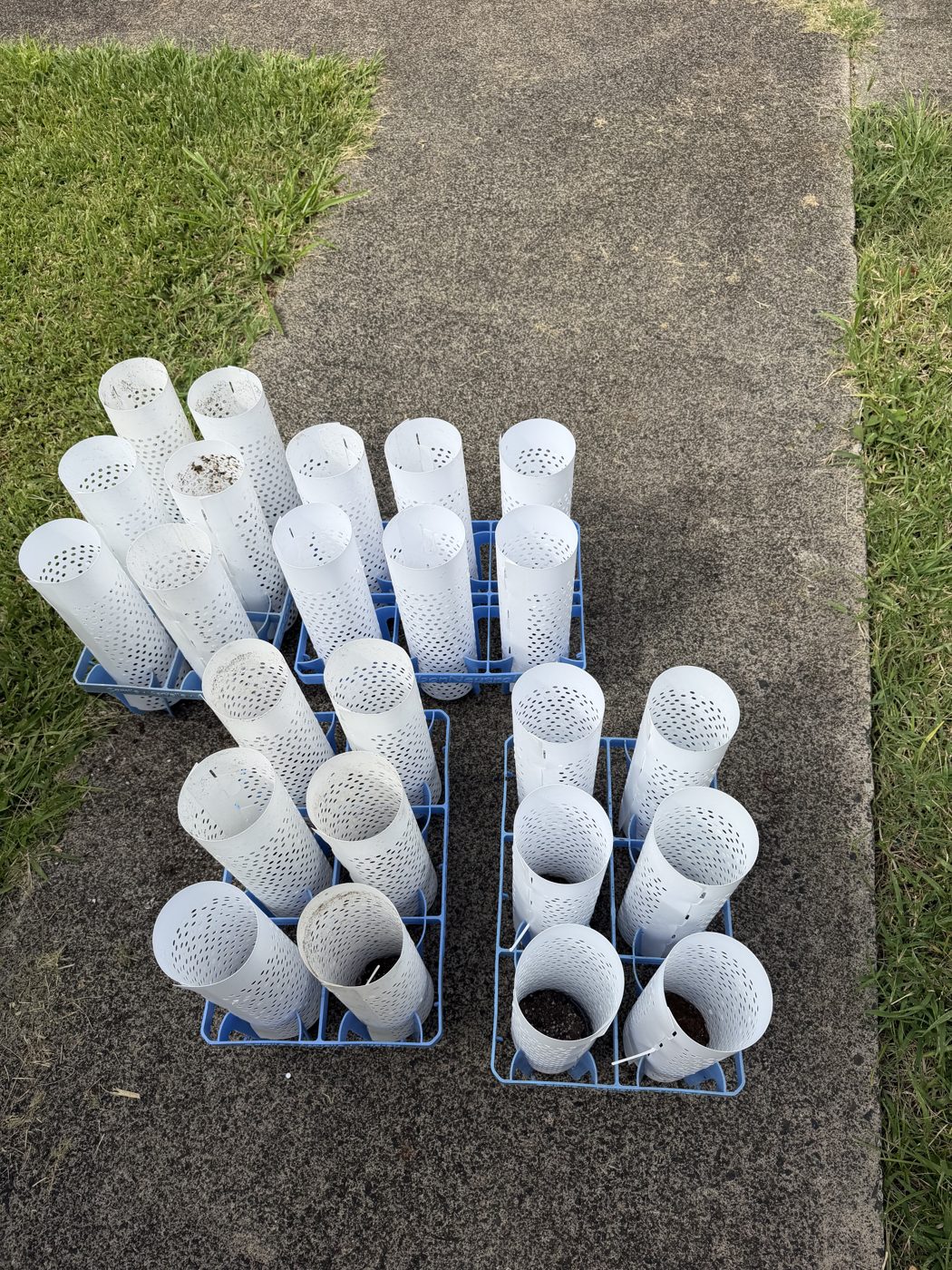
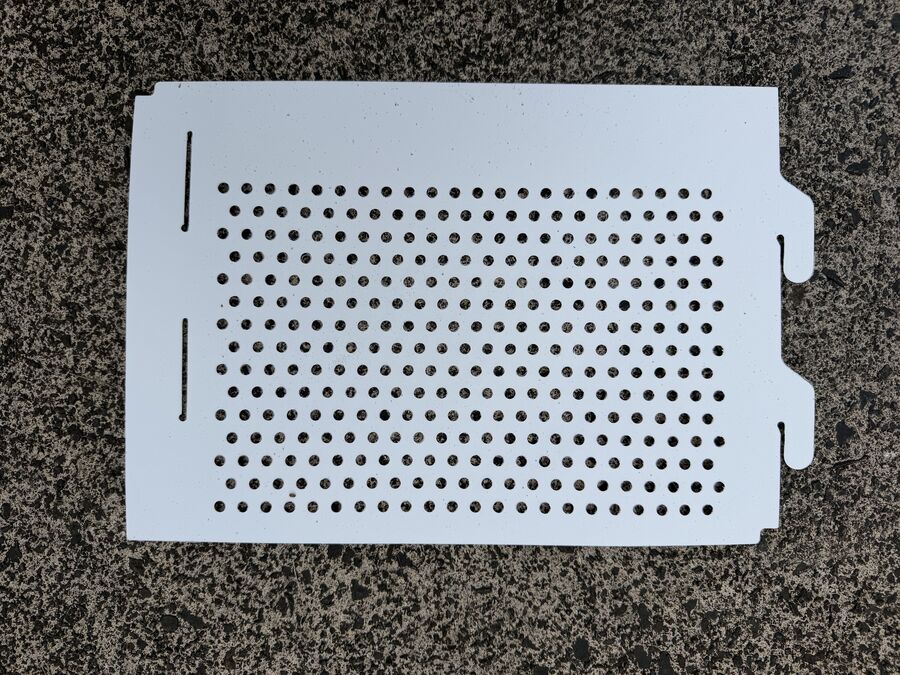
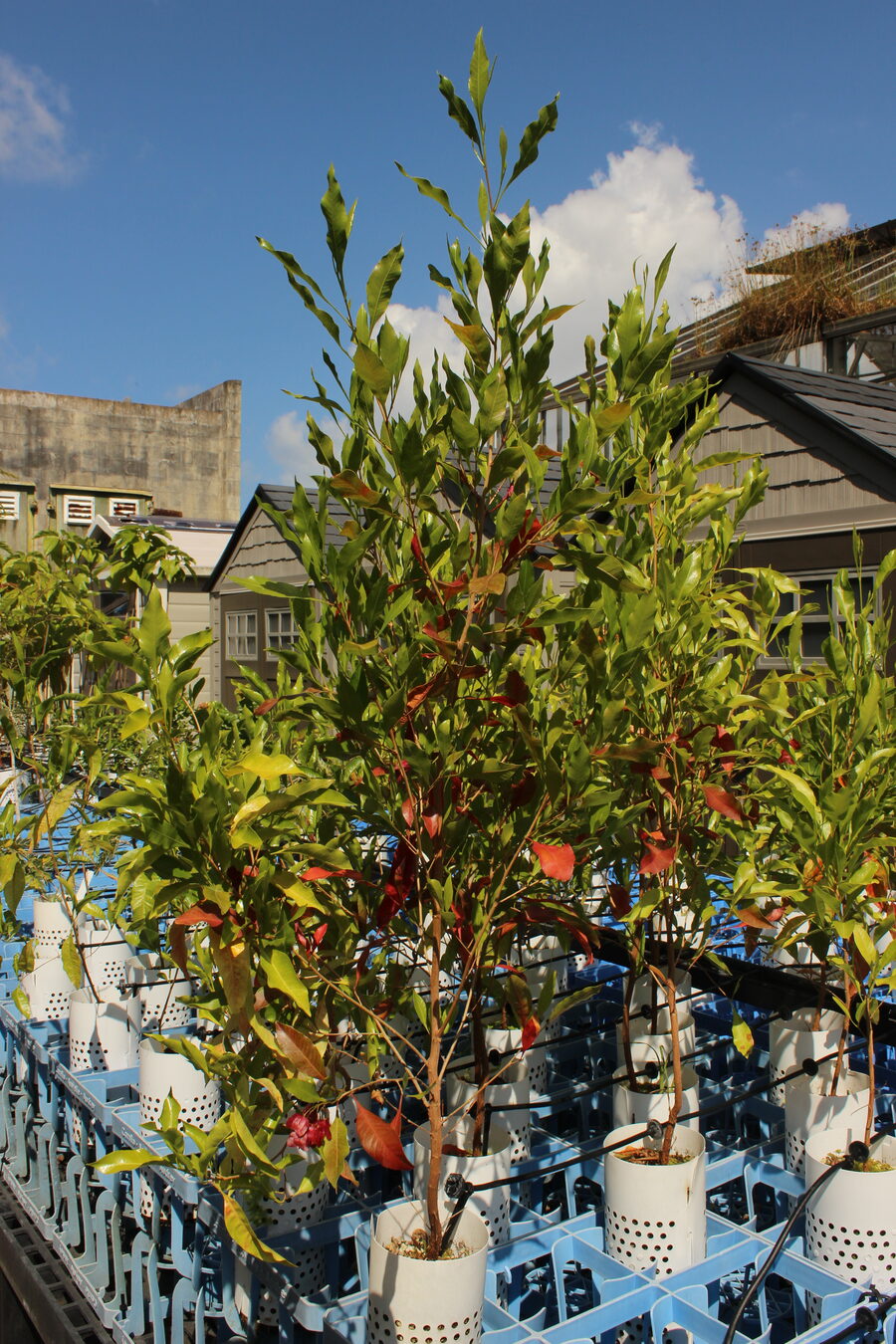
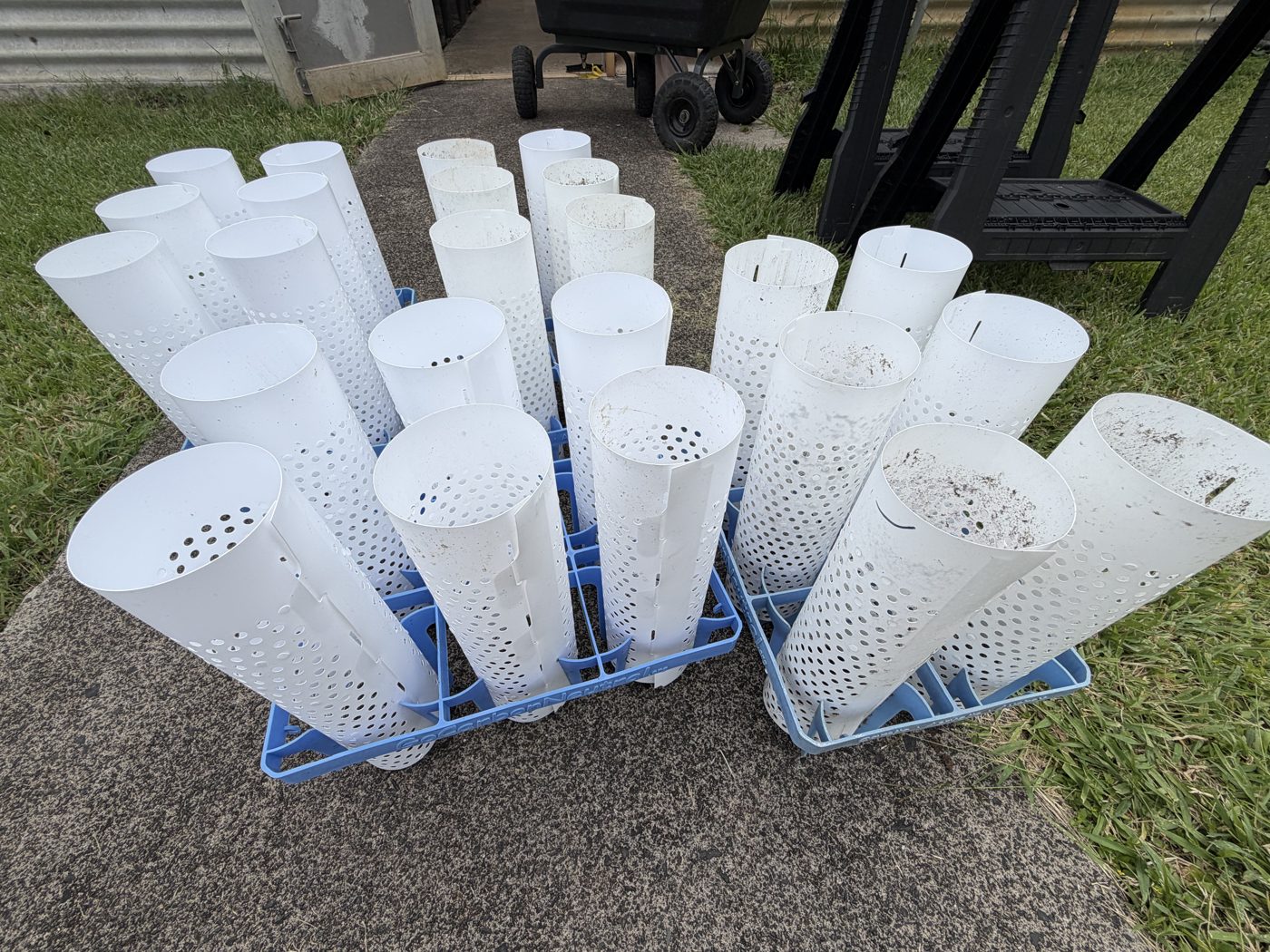
Conventional nursery pots are bulky to store, need repeated up-potting, and let roots circle. The Mora Sheet Pot is a single flat-packed sheet with an open bottom and holes along the sides. It air-prunes roots, drains freely, needs no up-potting, and costs about thirty cents a unit. Each sheet rolls into a pot 4 inches wide and either 9.5 or 14 inches tall.

Air-pruned roots

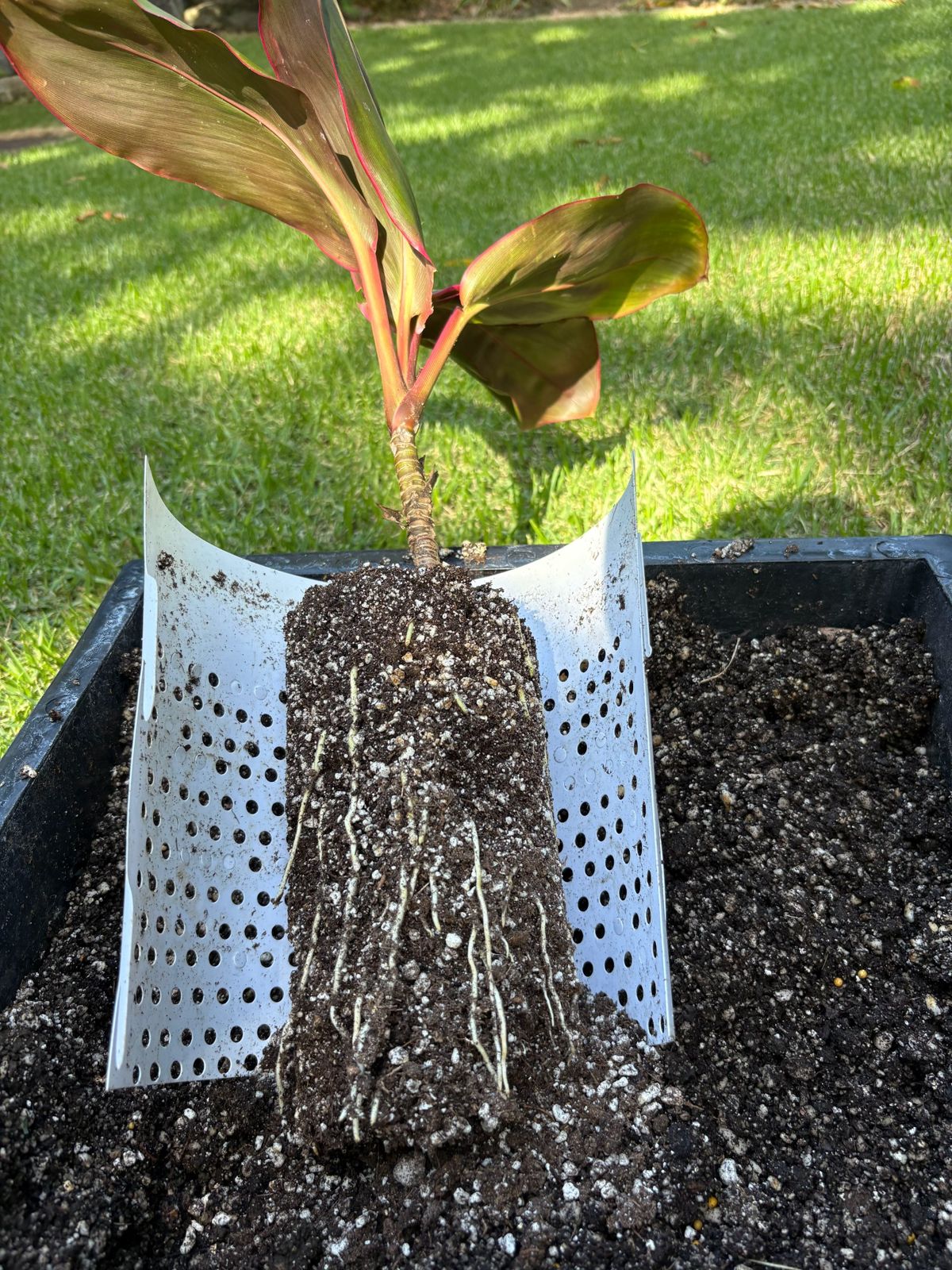
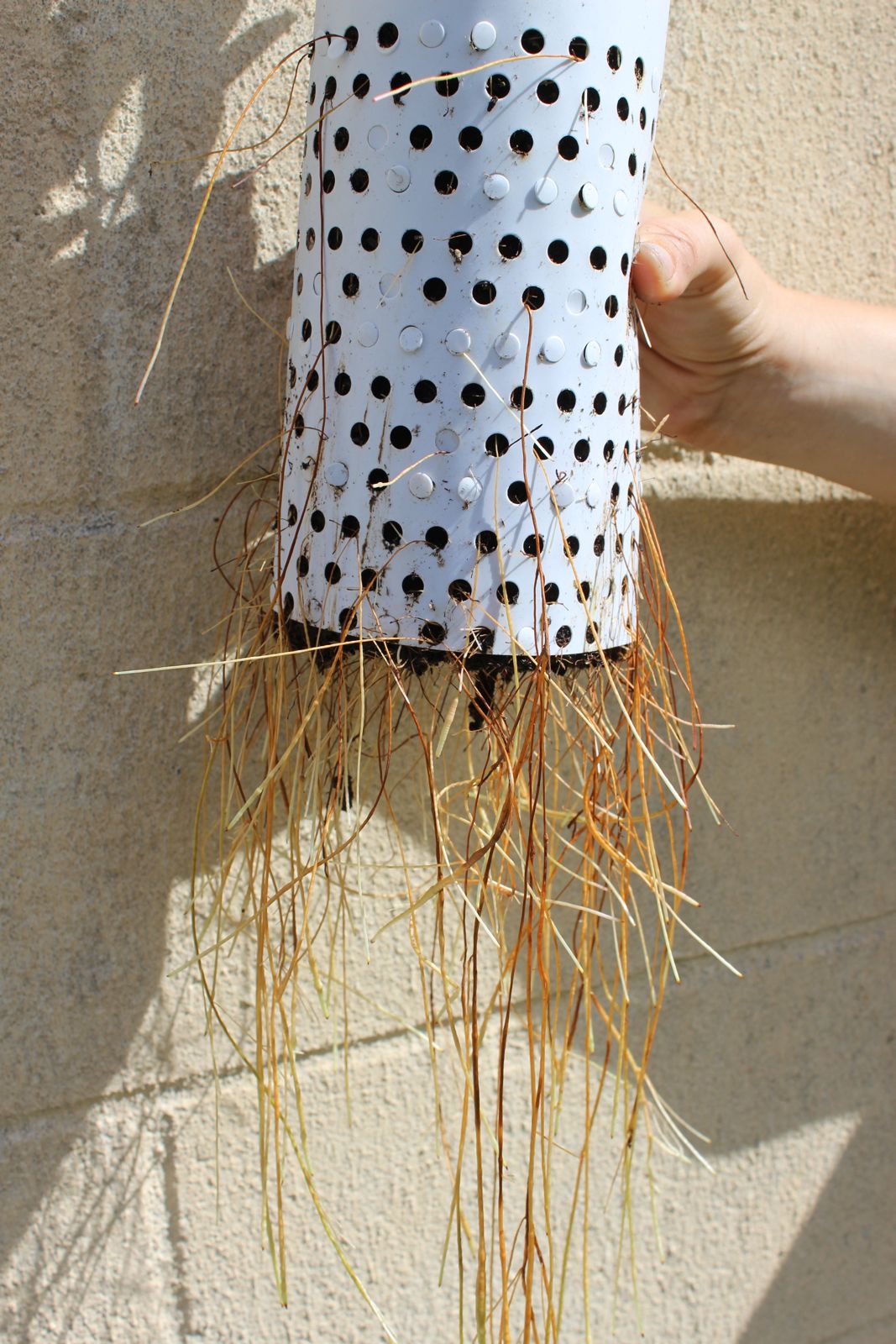
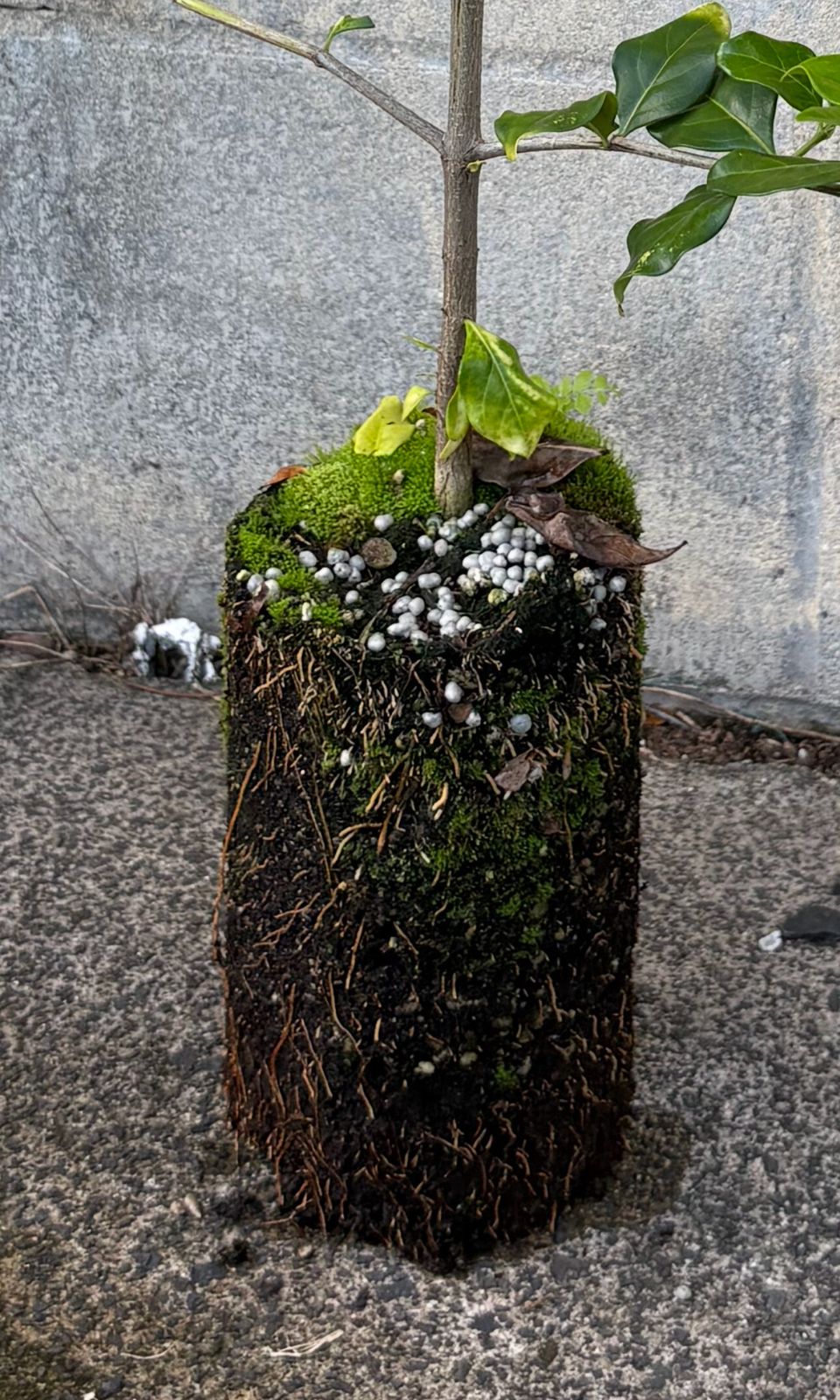
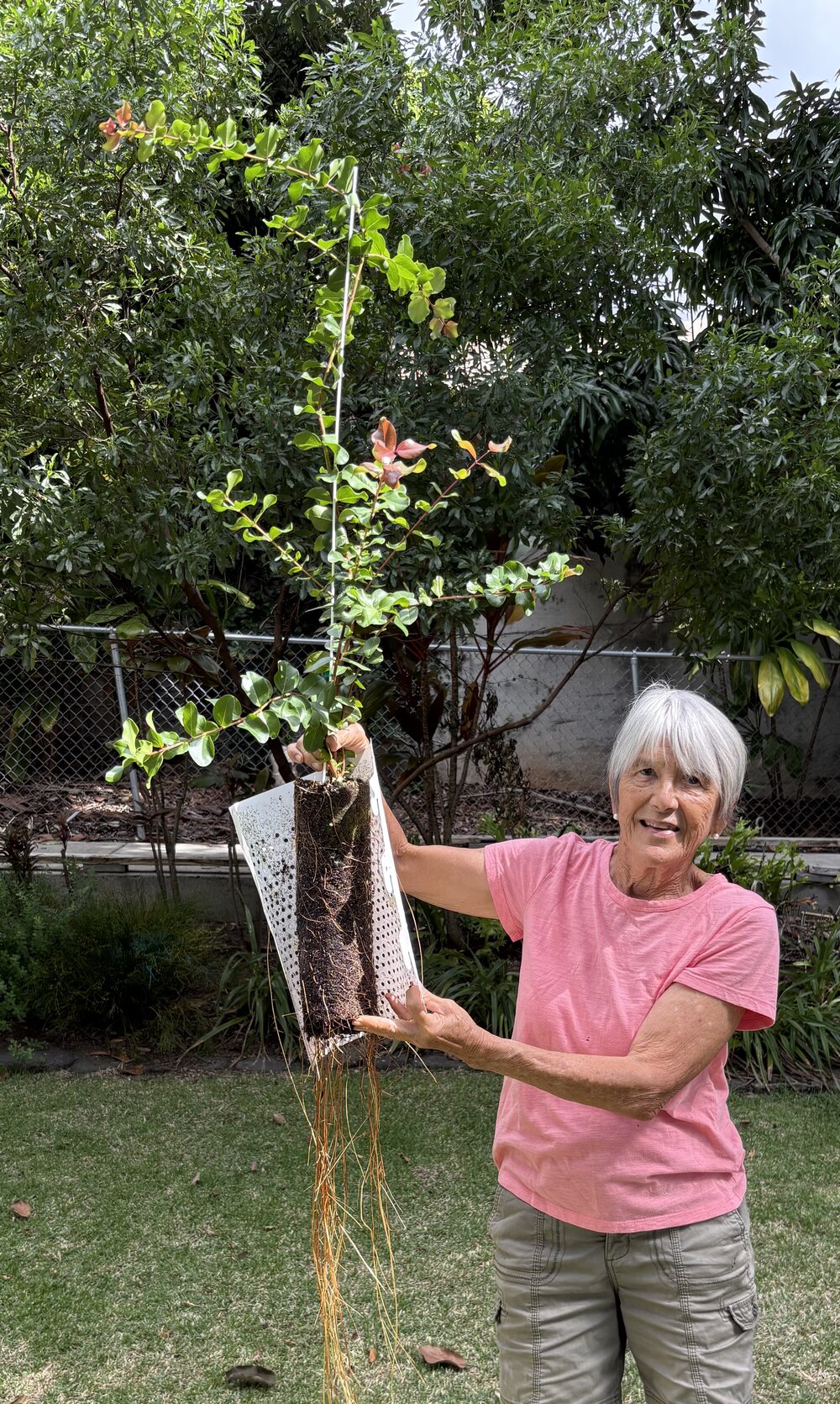
When a root reaches air at the open bottom or a side hole, it stops and branches from new points. The root ball gets denser, with no circling or J-rooting, and roots head straight into the soil at planting.

No up-potting

Direct sow or transplant just once. No moving from tray to 2-inch to 4-inch pots — less labor, less transplant shock.

Drains freely

Water runs straight through, so damping-off and root rot, which plague most nurseries, are not a concern. To plant, slide open the tabs and lift the sheet away.

~30¢ per unit

Ships flat, lasts years with UV protection, and is reusable — making healthy propagation affordable at scale.

Conventional plastic pot

  • Up-potting: Several up-potting stages. Each one takes labor and disturbs the roots.
  • Roots: Root circling, J-rooting and root bound plants. Circling roots keep growing in circles after planting.
  • Drainage: Damping-off and root rot plague most nurseries.
  • Storage: Bulky pots take up significant storage space.
  • Holding time: Plants get root bound when planting schedules change.

Mora Sheet Pot

  • Up-potting: Planted once. It stays in the same sheet until it is ready for the field.
  • Roots: Roots air-prune at the open bottom and side holes, grow straight down, and head straight into the soil.
  • Drainage: Excellent drainage and soil oxygenation, so neither is a concern.
  • Storage: Flat-packed in a box until they are ready to use.
  • Holding time: Plants can be held longer.

Why it works — the Mora Sheet Pot advantage

Waterlogging keeps the saturated layer of a conventional pot constantly submerged, leaving seedlings prone to disease, poor soil oxygenation, and reduced nutrient uptake. The Mora Sheet Pot solves this by optimizing pot dimensions and leaving an open bottom — so water drains and roots breathe.

It starts as a single flat, perforated sheet.

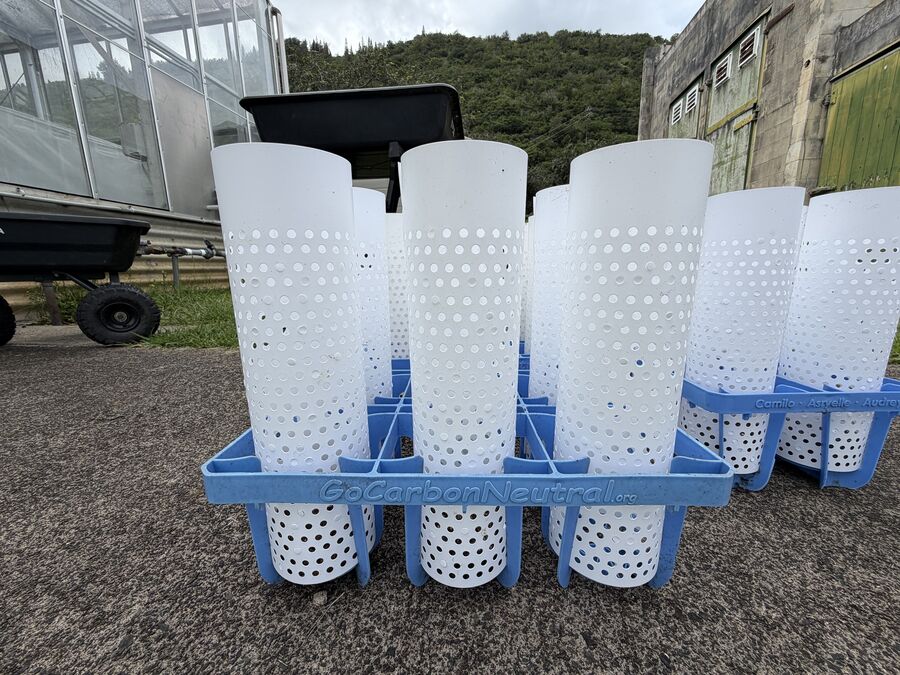
Rolled and set into holders — no tools needed.

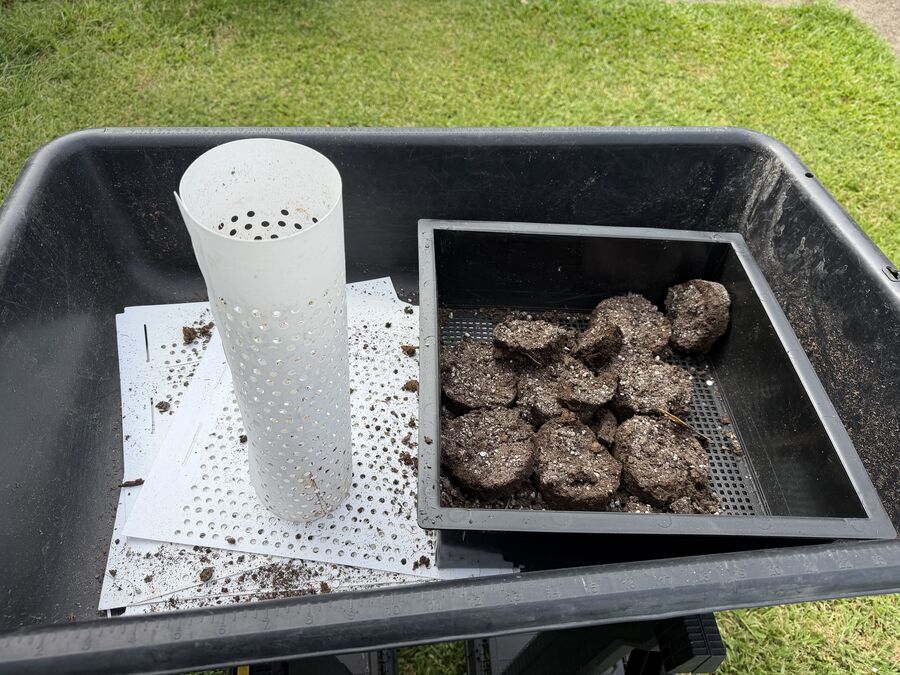
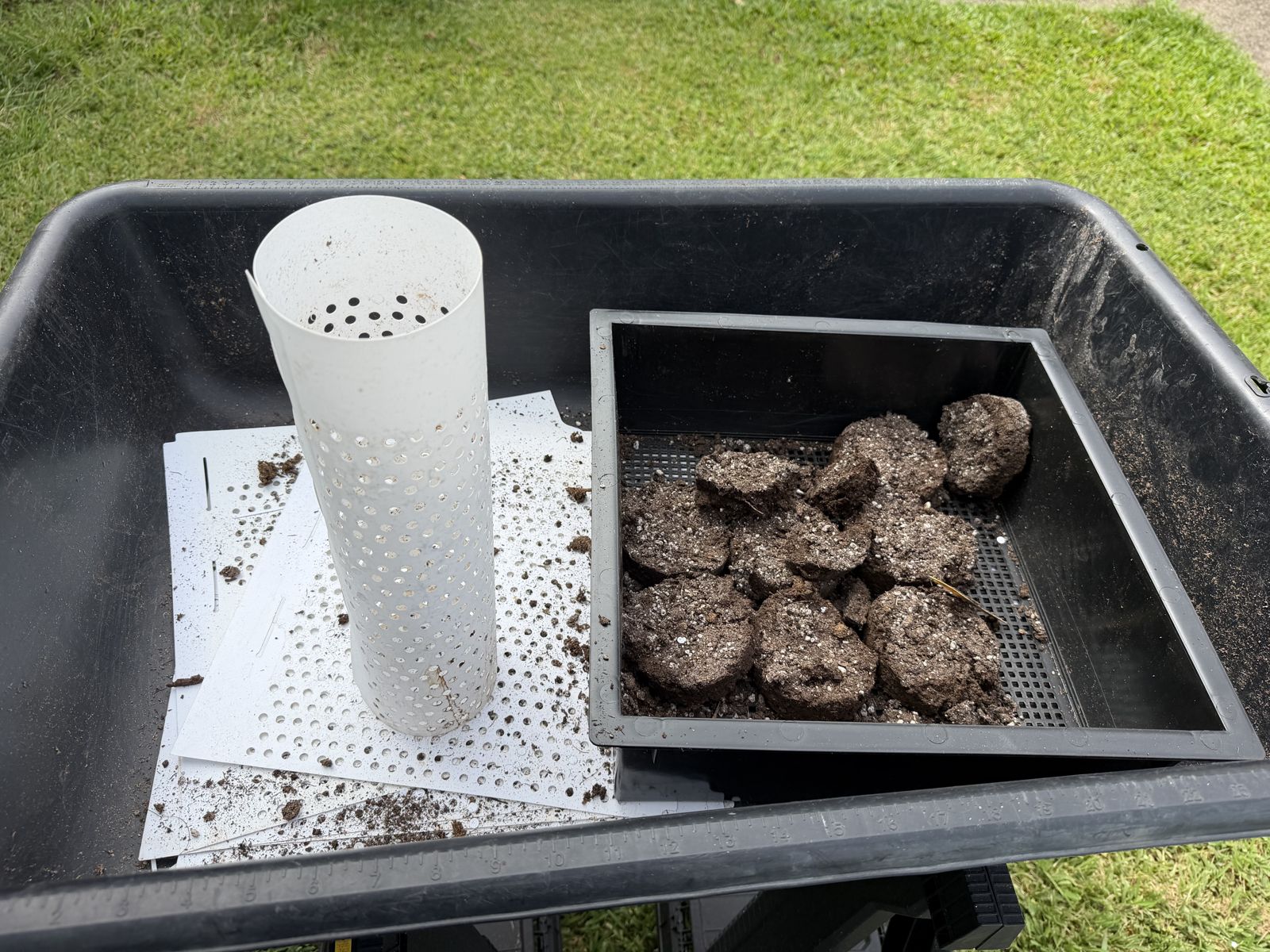
A simple soil plug holds the bottom in place.

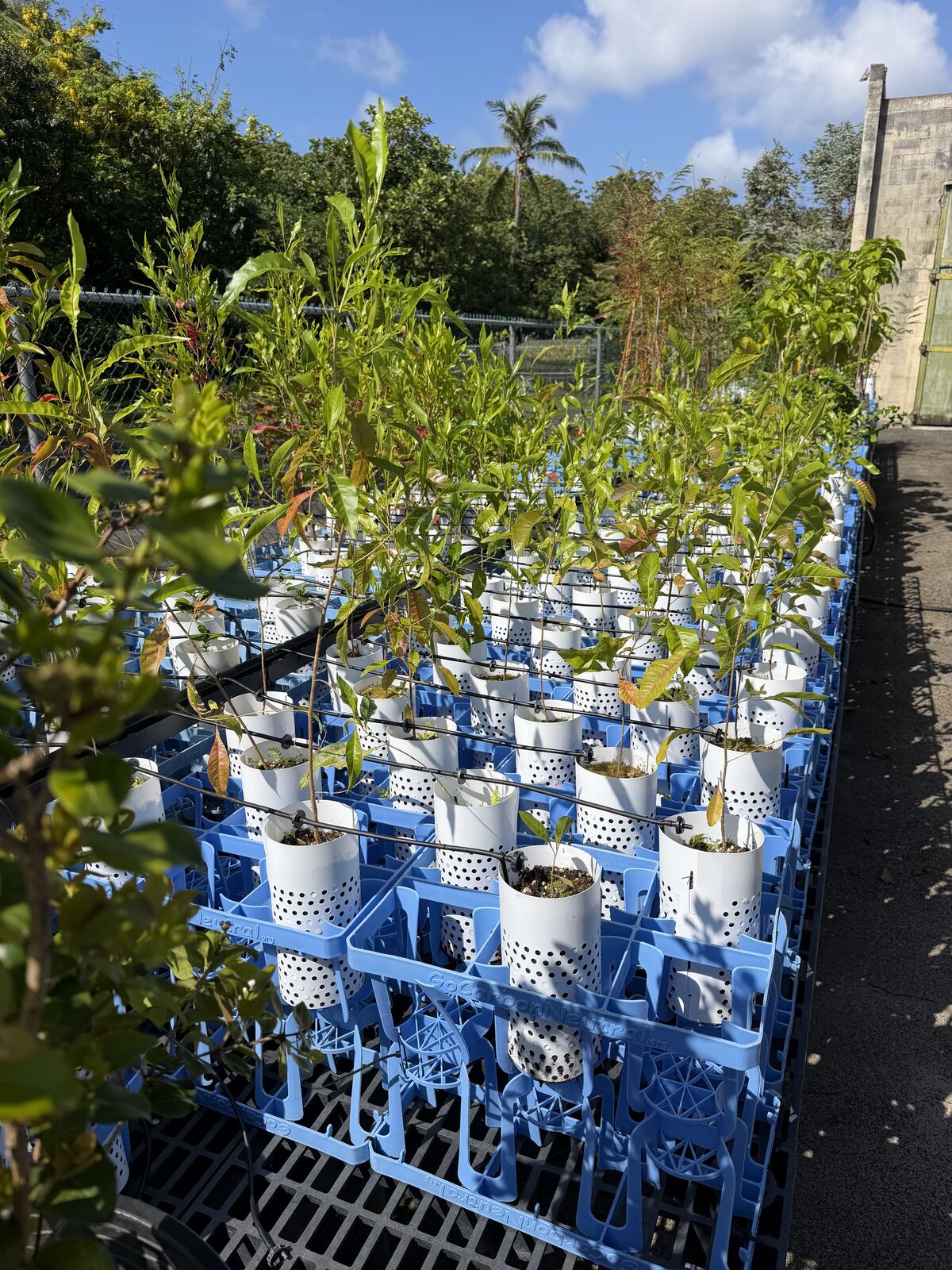
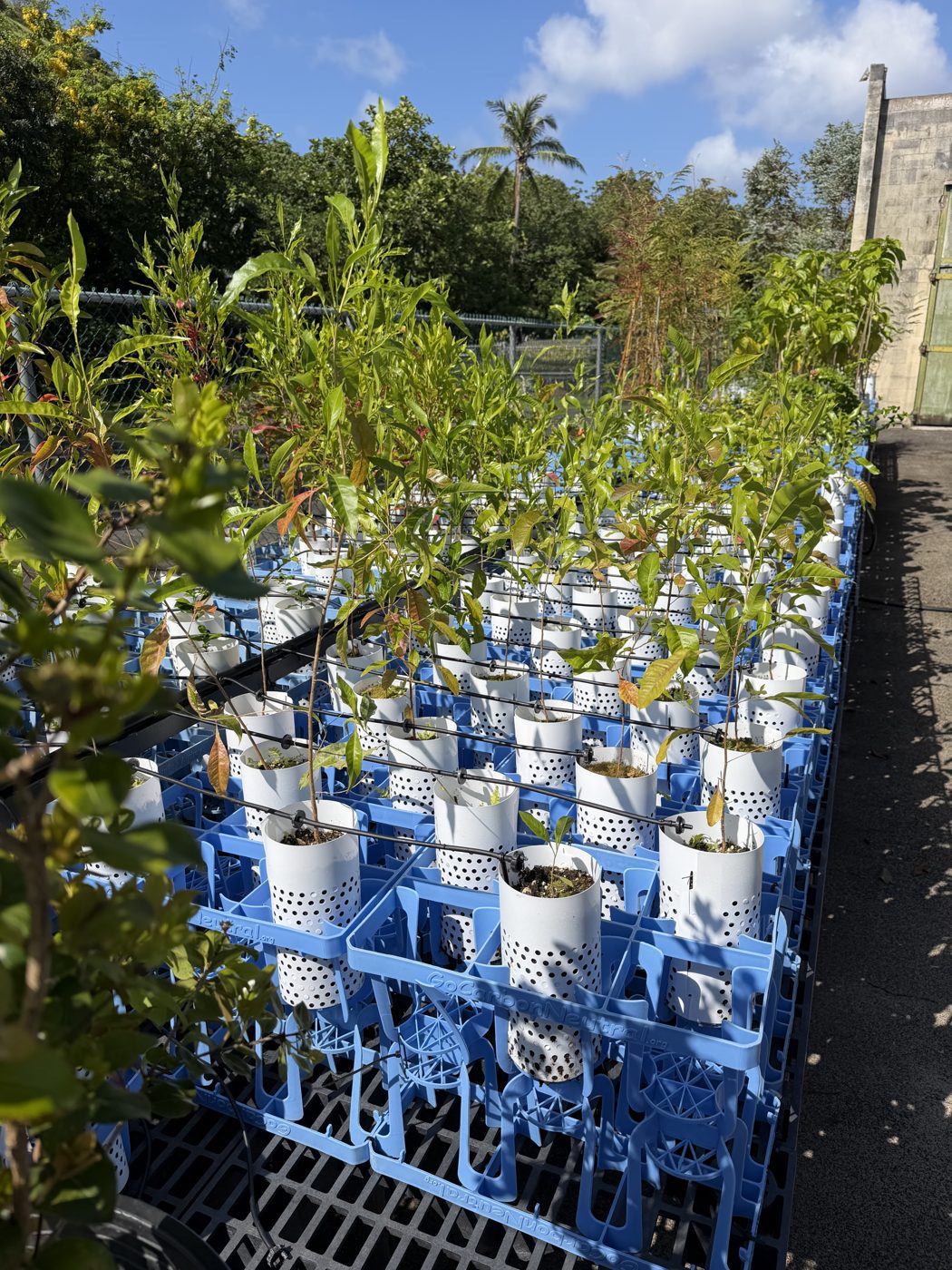
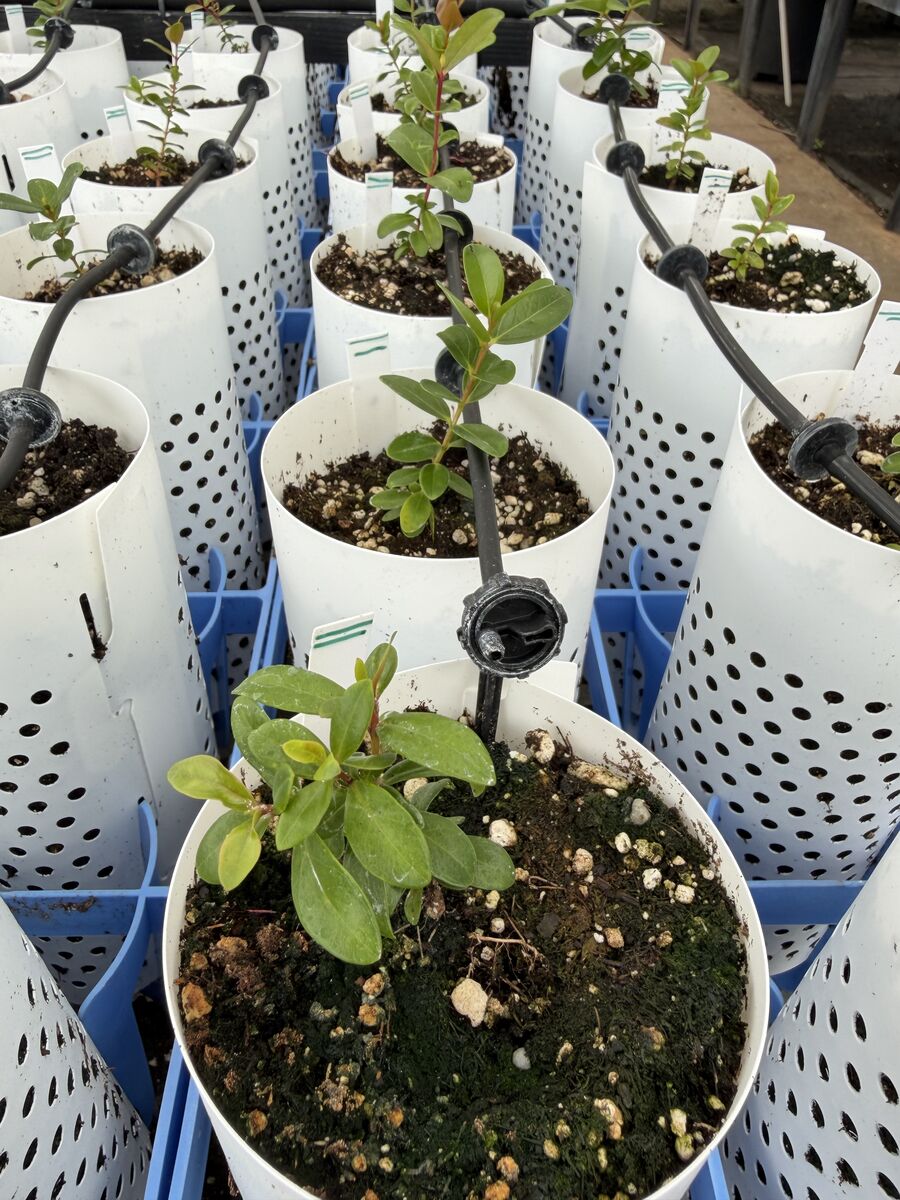
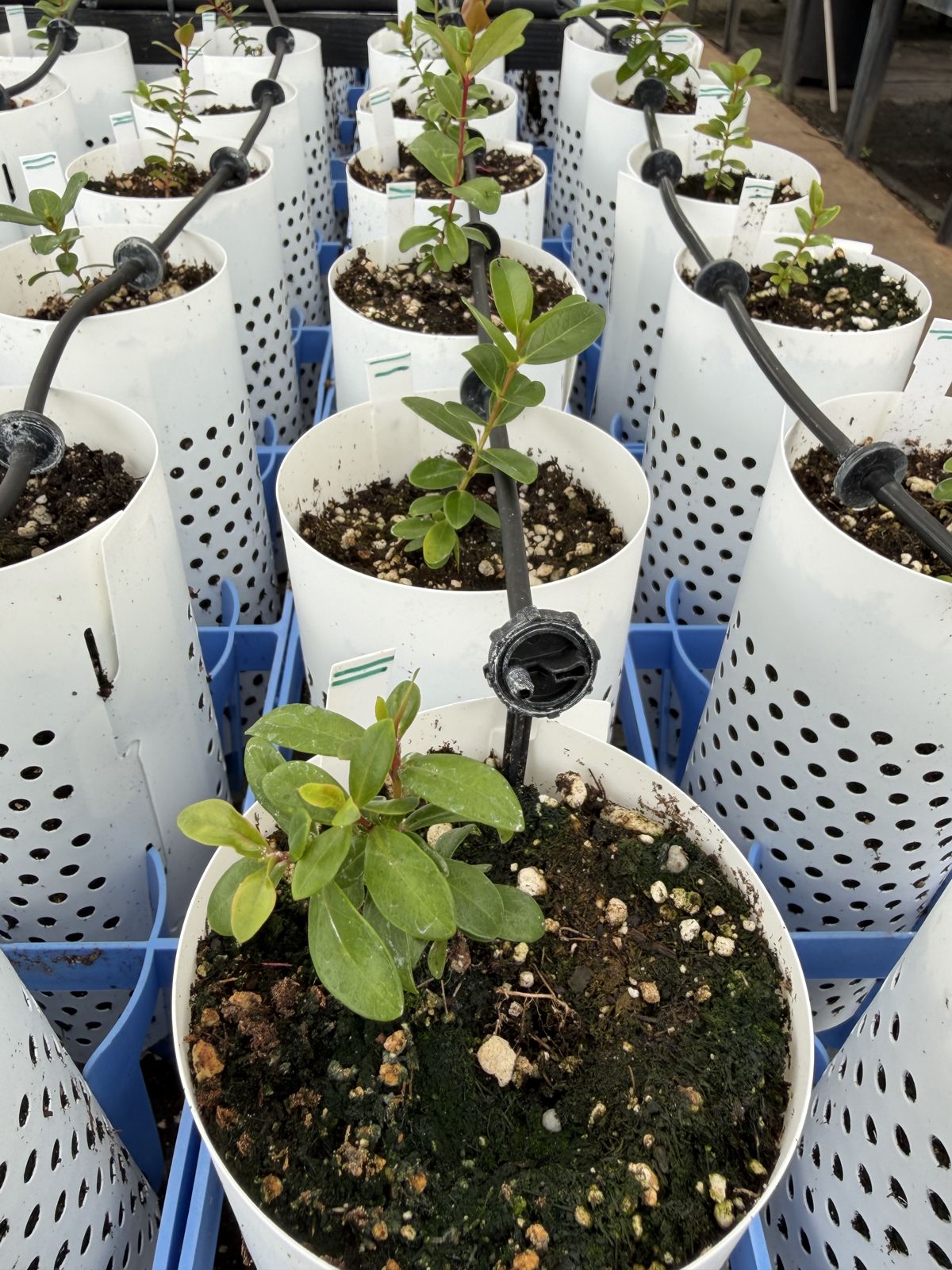
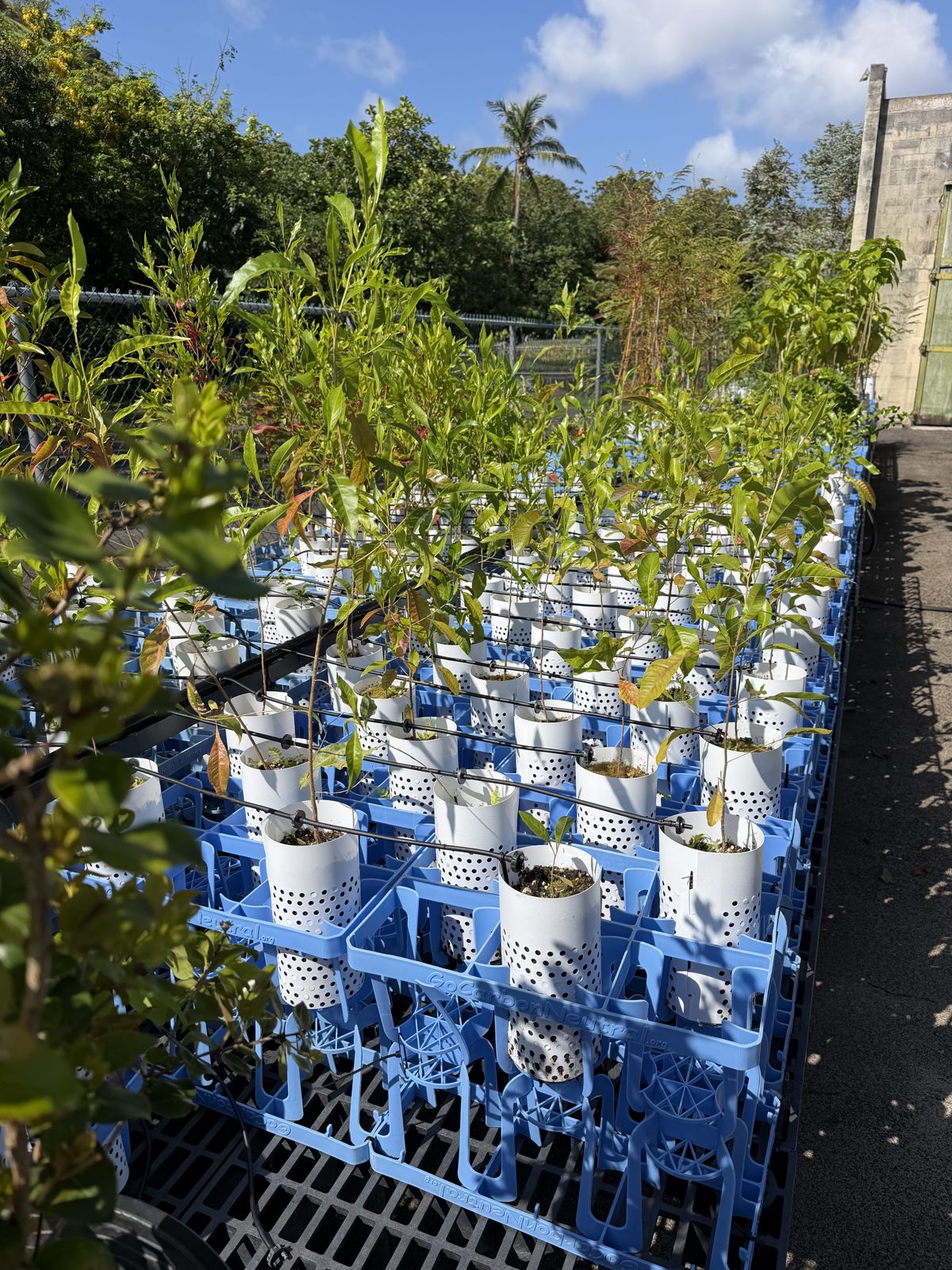
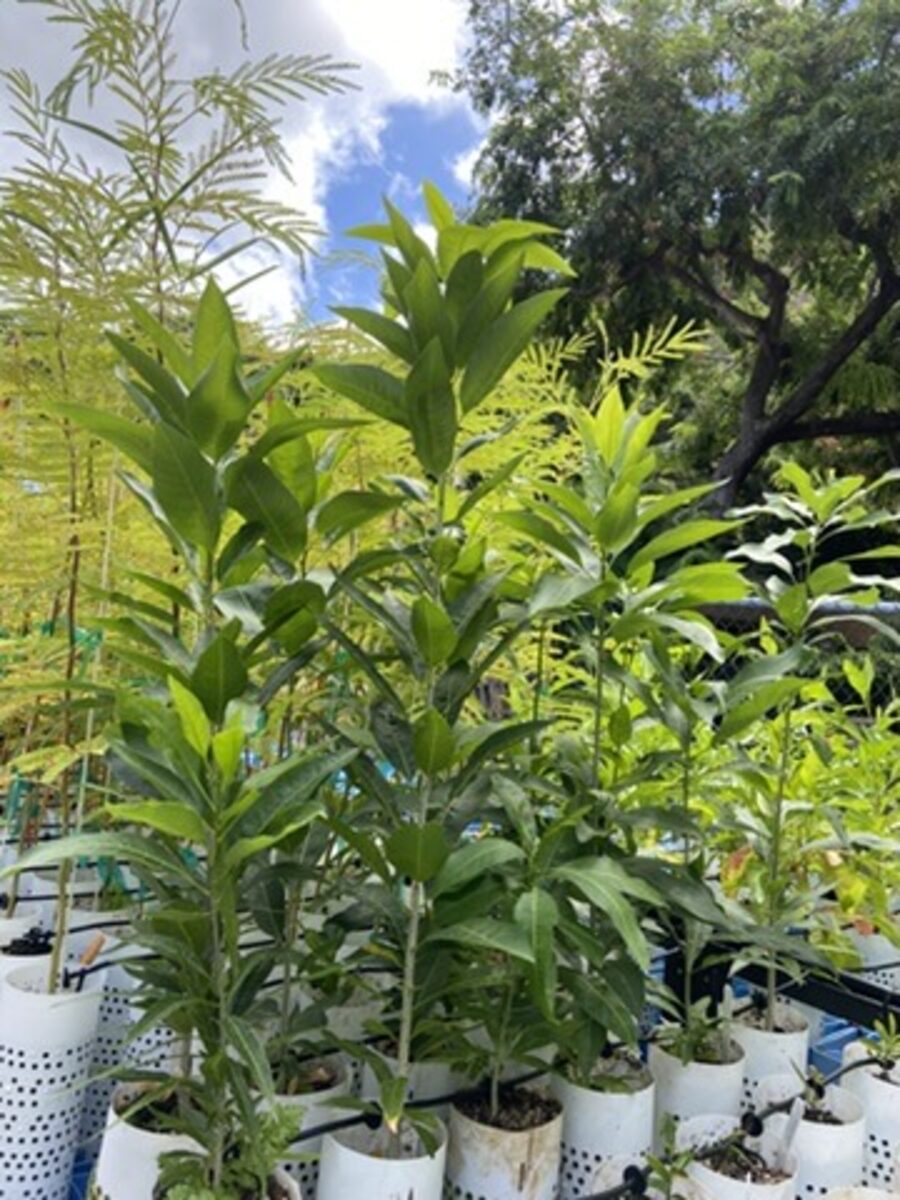
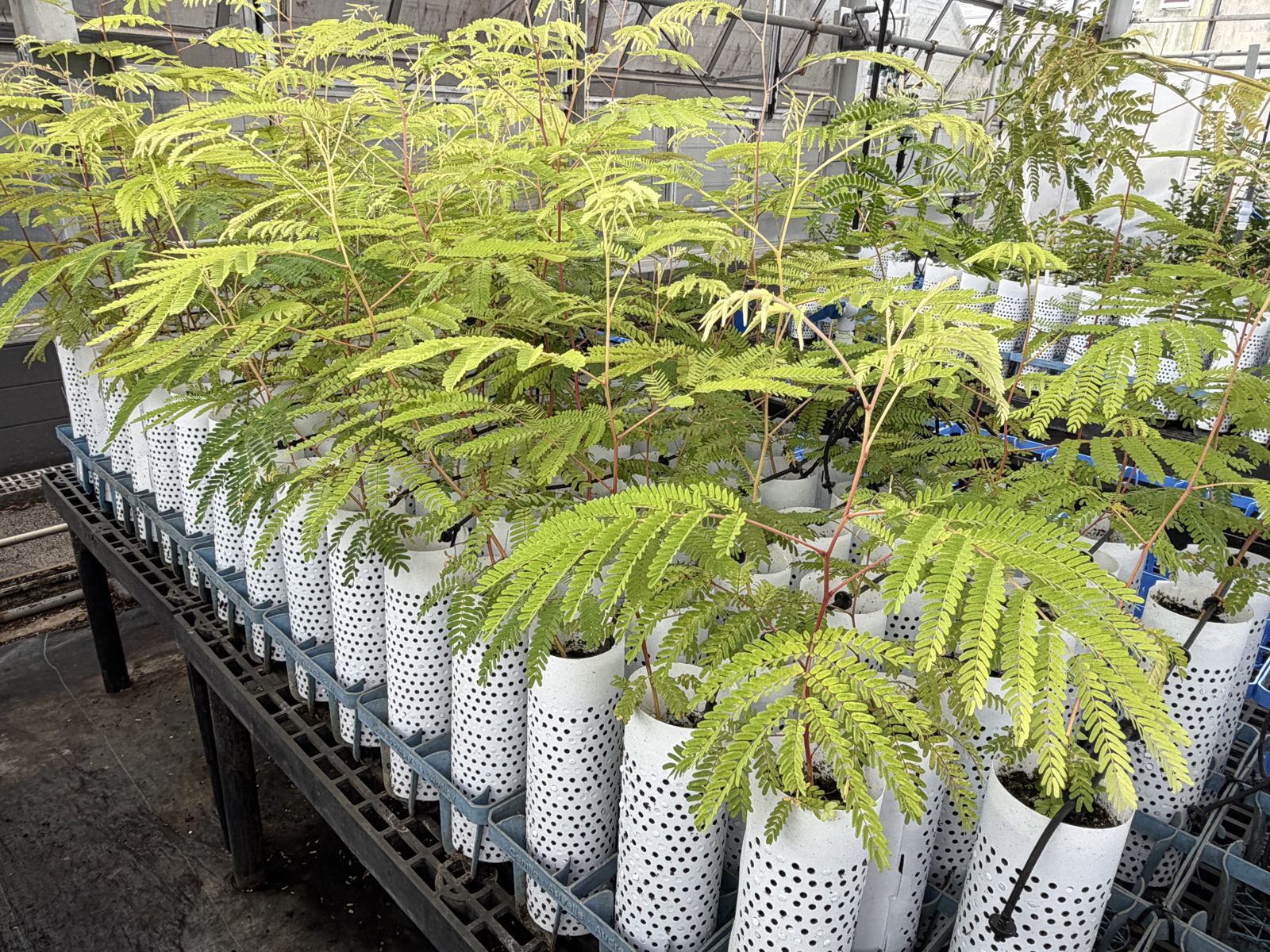
Seedlings grow tall with air-pruned, healthy roots.

From seed to ground, in five steps

1. Fill

Assemble six sheets per tray and fill with damp potting media. If pots will be moved one at a time, press about 2 inches of wet peat moss into the bottom first so the media stays put. Skip soil and sandy mixes, which wash out through the holes.

2. Sow or transplant, once

Sow seed straight into the pot, or move seedlings in at the cotyledon or two-leaf stage, when roots are minimal. The plant stays in that one sheet until it goes in the ground.

3. Water by drip

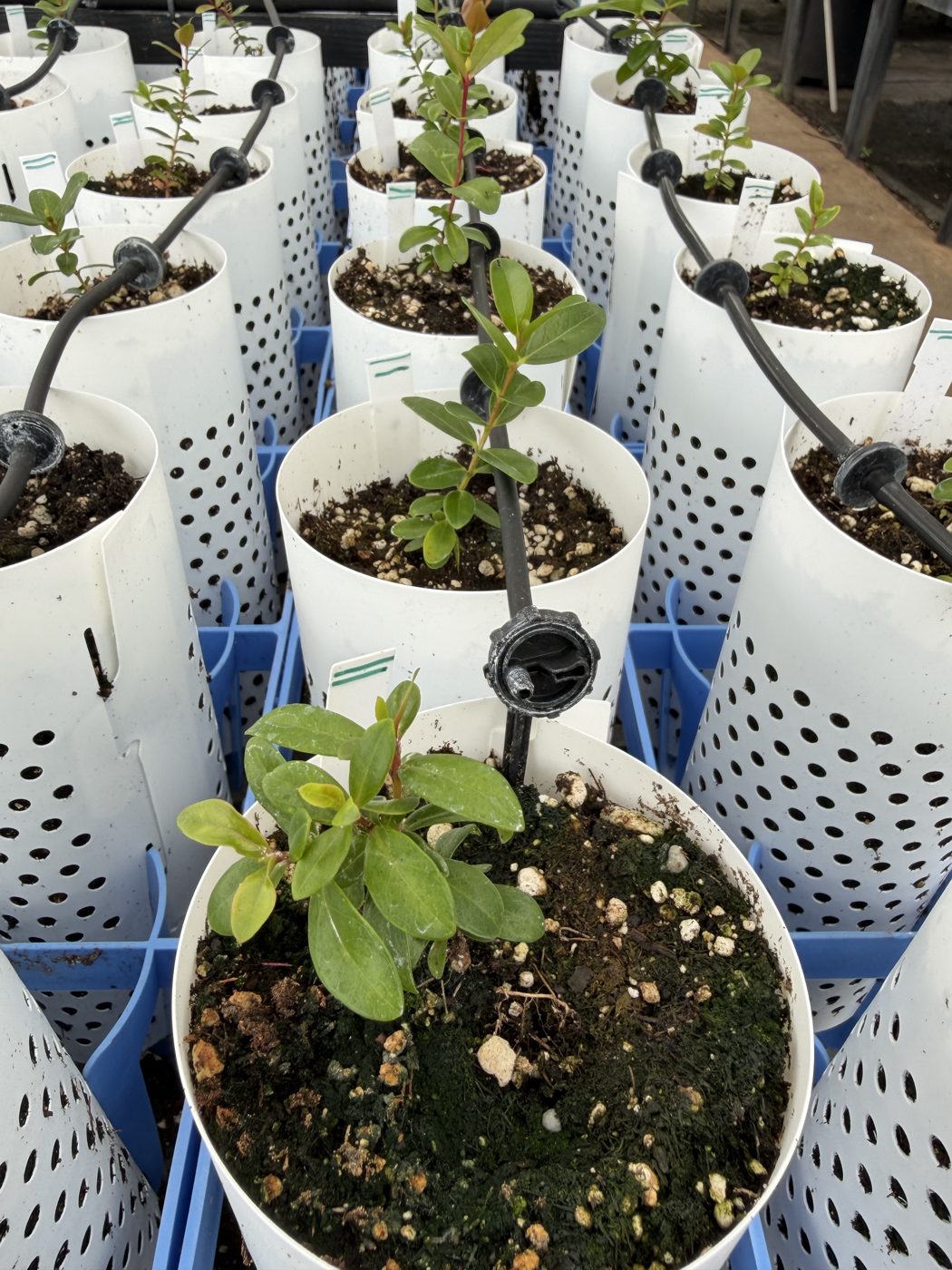
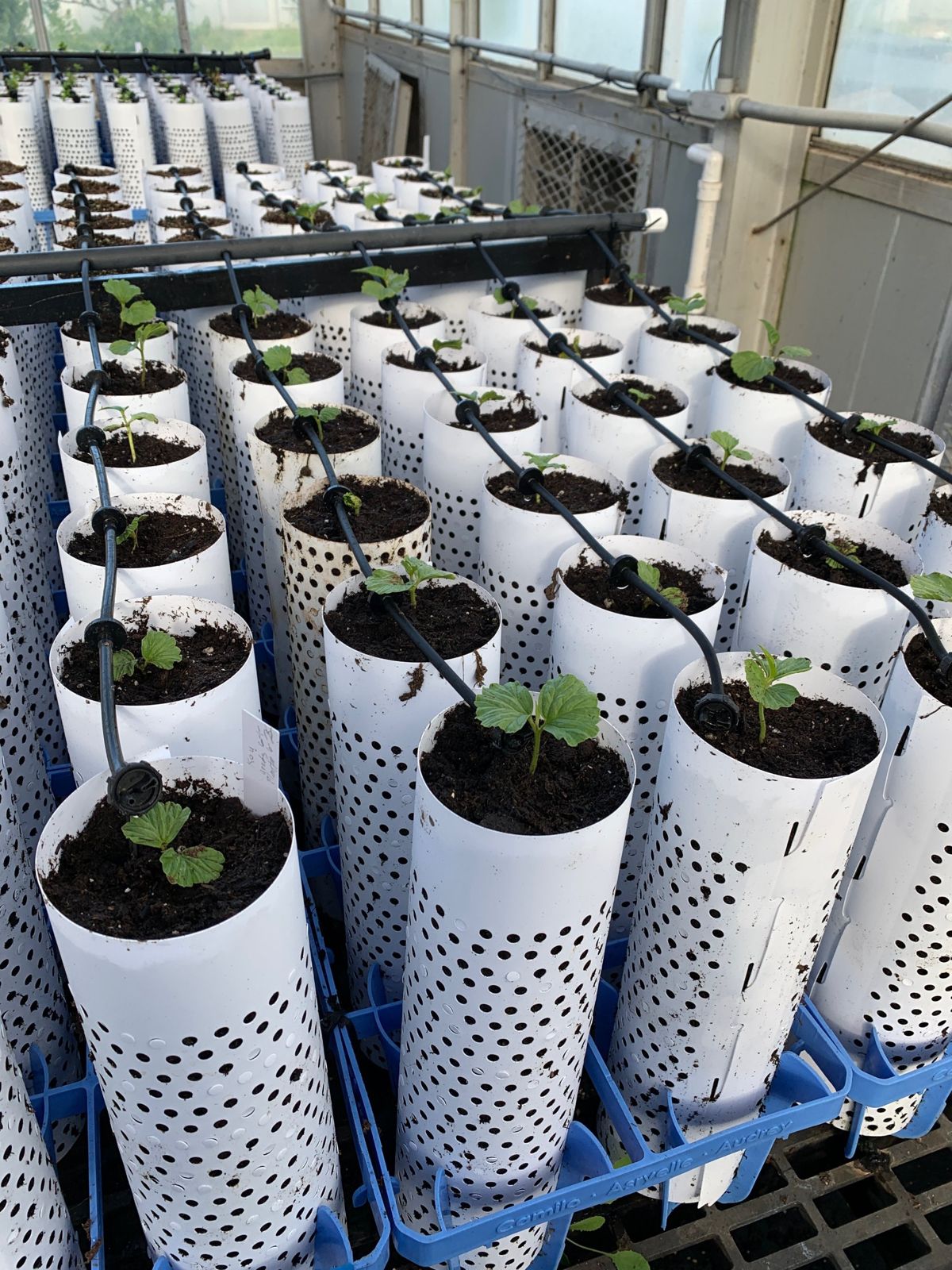
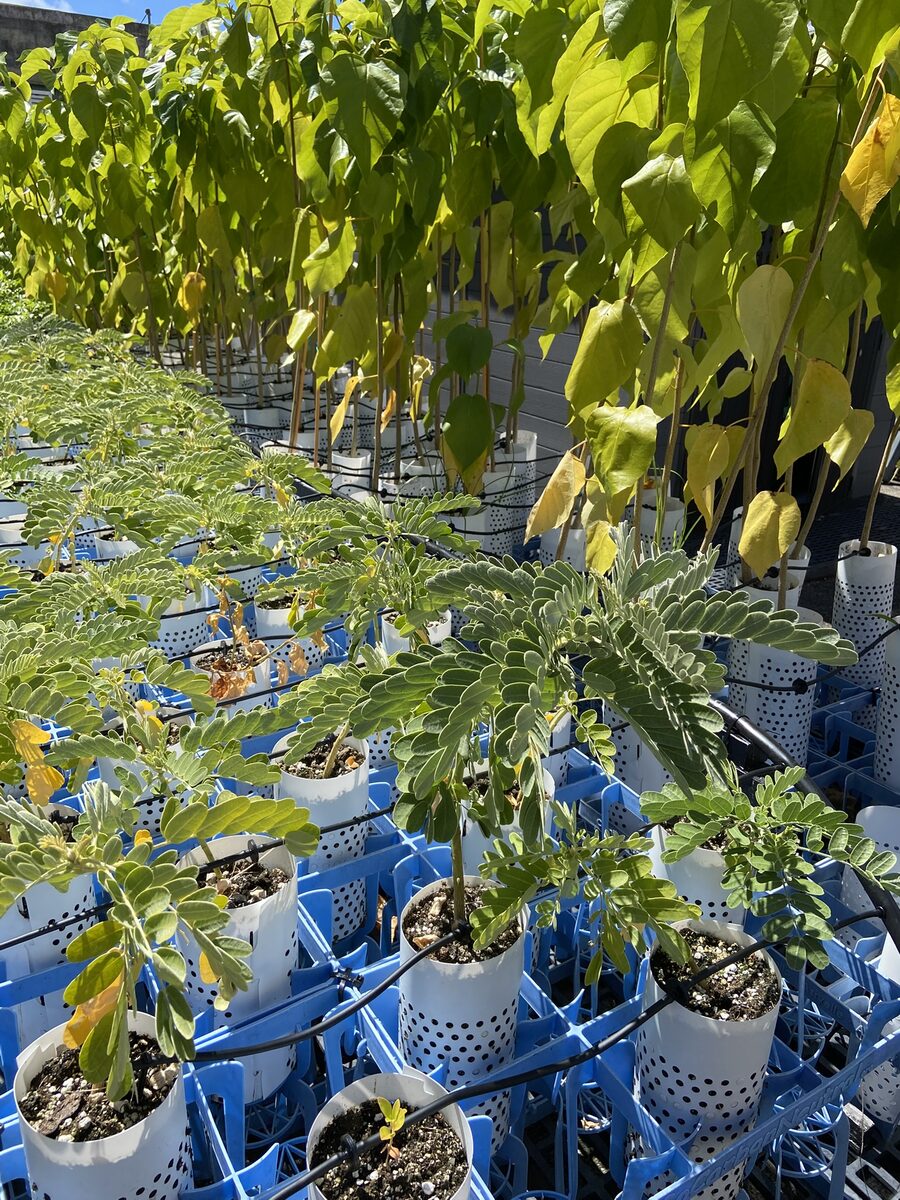
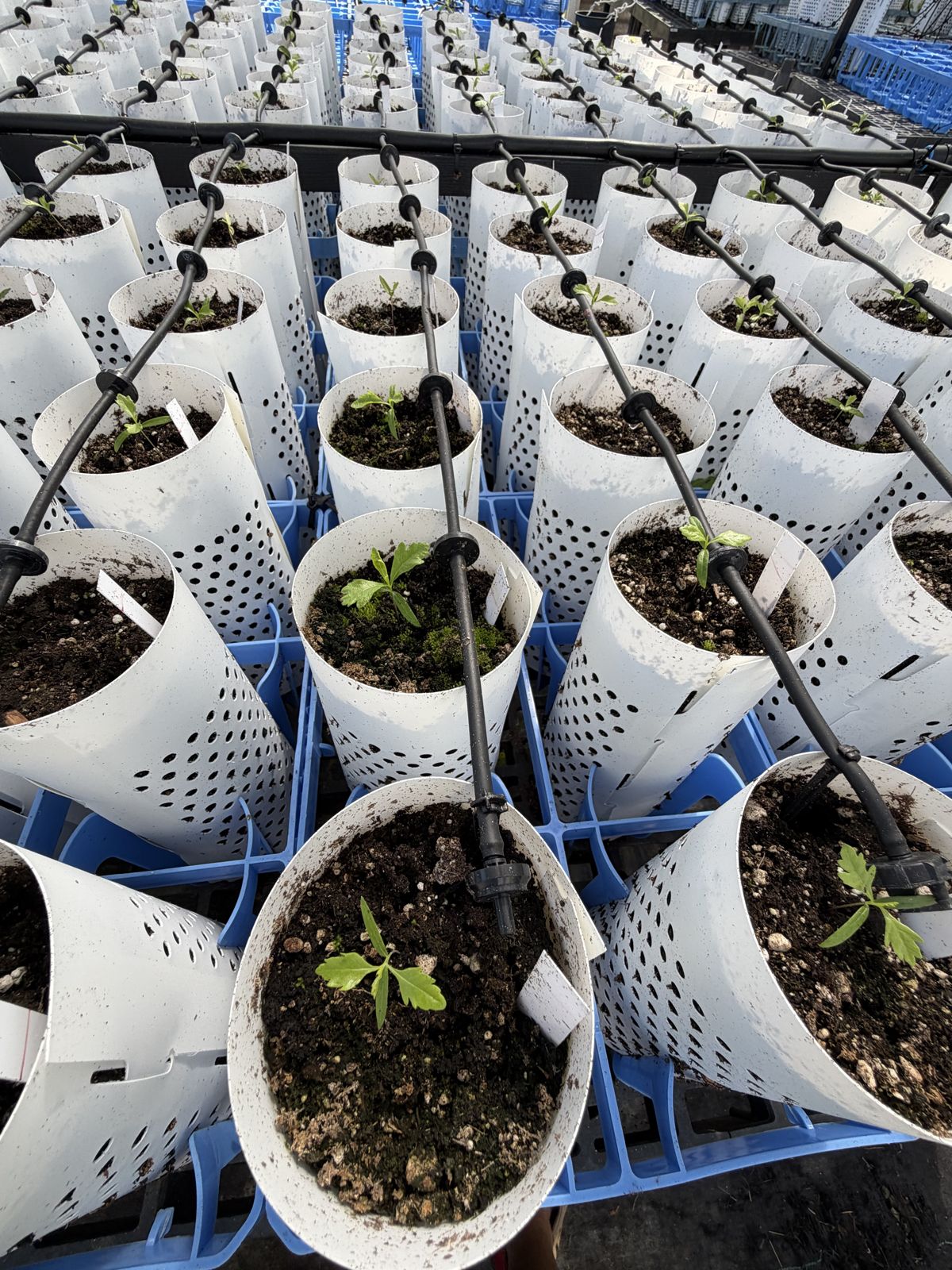
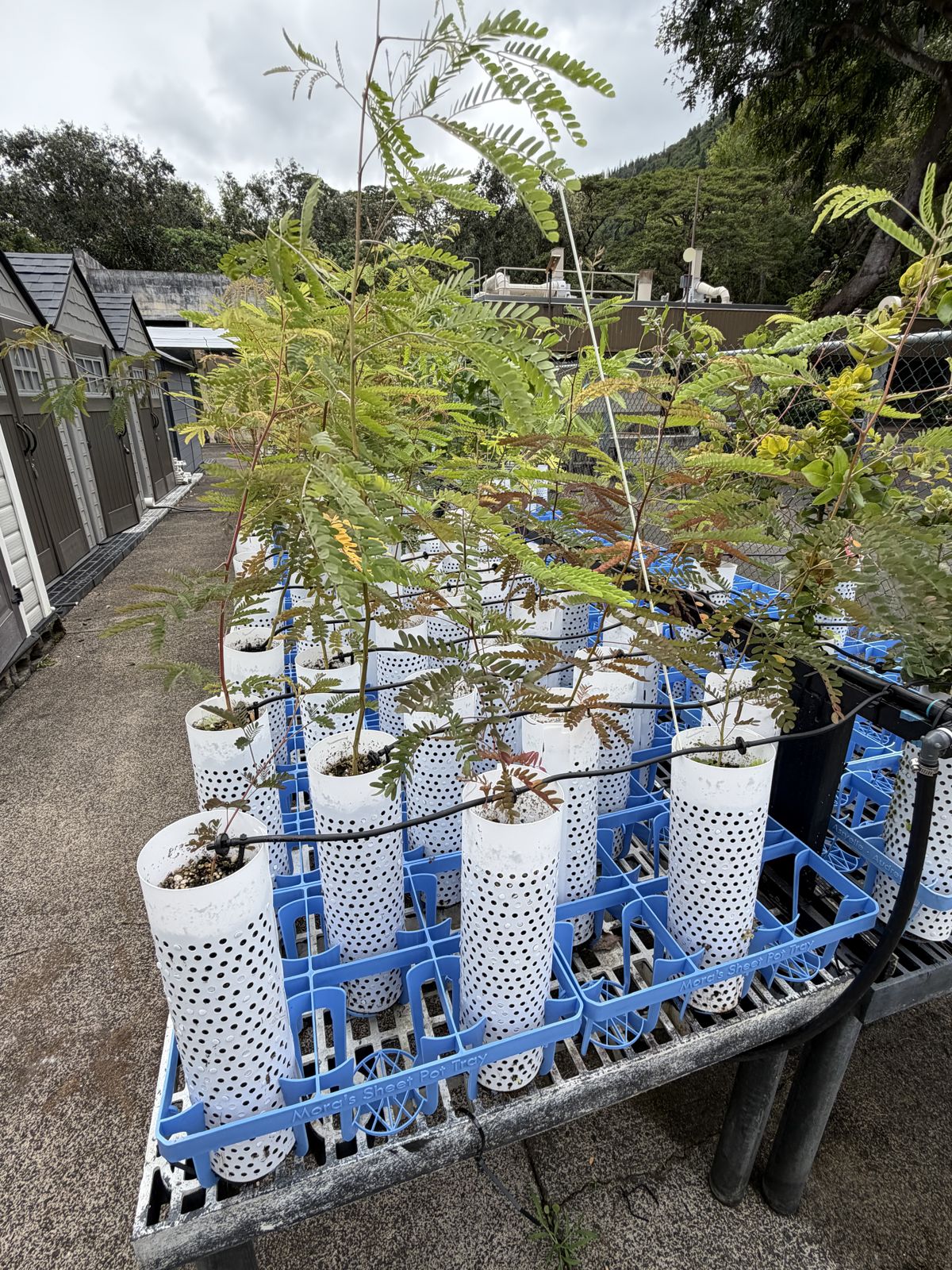
Leaves soon block overhead sprinklers, so each pot gets its own emitter. Short runs several times a day let water soak down slowly, and dry foliage means less fungal and bacterial disease.

4. Harden off

Plants move from the glasshouse into full sun for at least a month before outplanting, spaced three to a tray for stronger stems and better airflow.

5. Outplant

A 4.5-inch auger bit matches the pot. Slide the tabs open, lift the sheet away and set the root ball at the depth it grew. Within a week or two, roots are moving into the surrounding soil.

The Mora Sheet Pot was developed by Dr. Camilo Mora and the MoraLab at the University of Hawaiʻi. Living Roots works directly with Dr. Mora to apply the method to native Hawaiian species. Read the sheet pot overview article, visit MoraLab, or watch Dr. Mora on YouTube (video 1, video 2).

Results from our nursery

What the method does for native plants.

These numbers come from our own nursery records on Oʻahu.

10 months

ʻŌhiʻa from seed to outplanting size, on average. The usual wait is around two years.

3 ft+

Our fastest ʻōhiʻa, in under 10 months. Once the root ball is established, shoots grow about an inch a week.

3 to 6 months

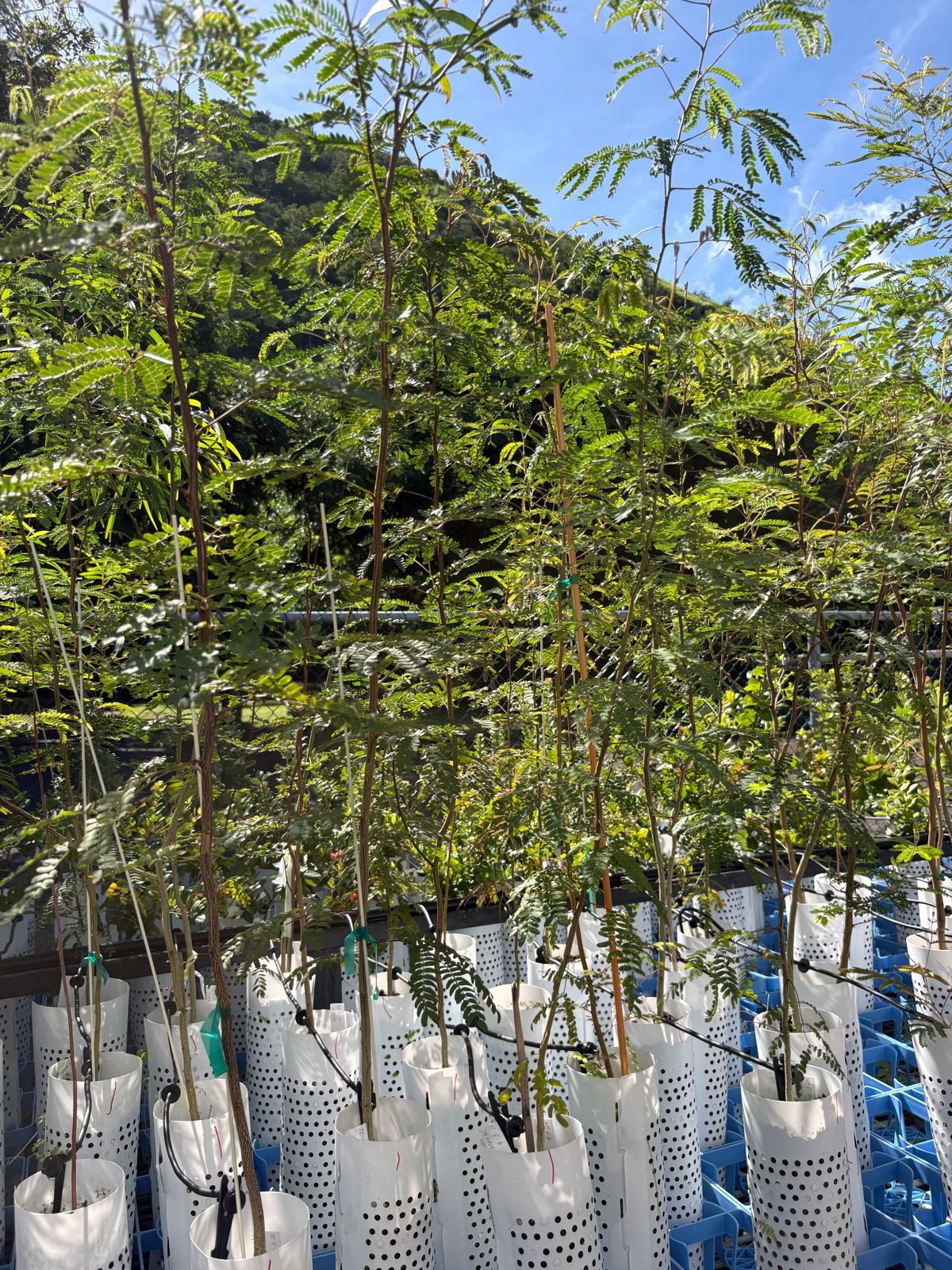
Koa and wiliwili fill a 14-inch sheet pot. Koa stands 4 to 5 feet tall, with phyllodes already forming.

3,000+

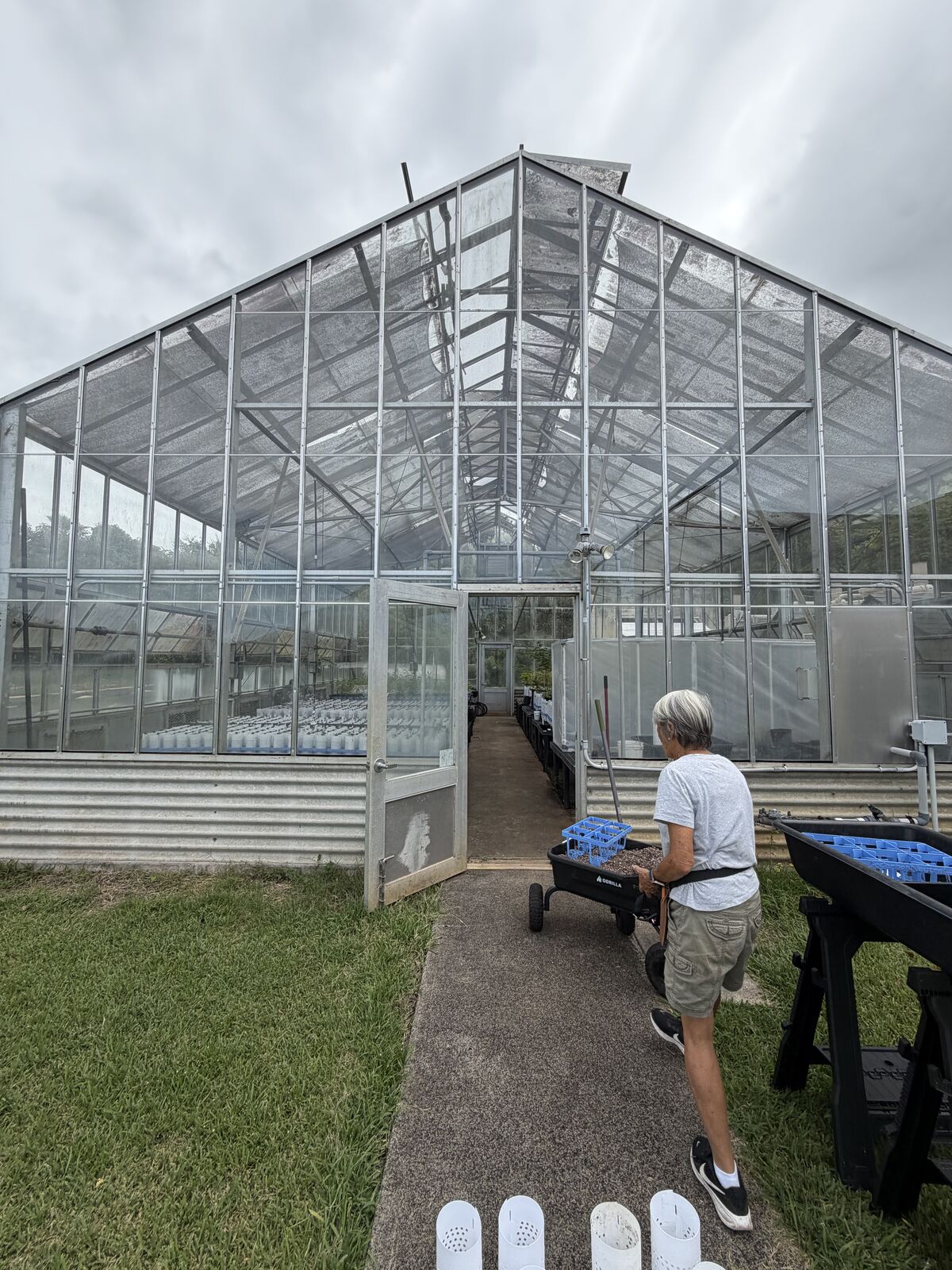
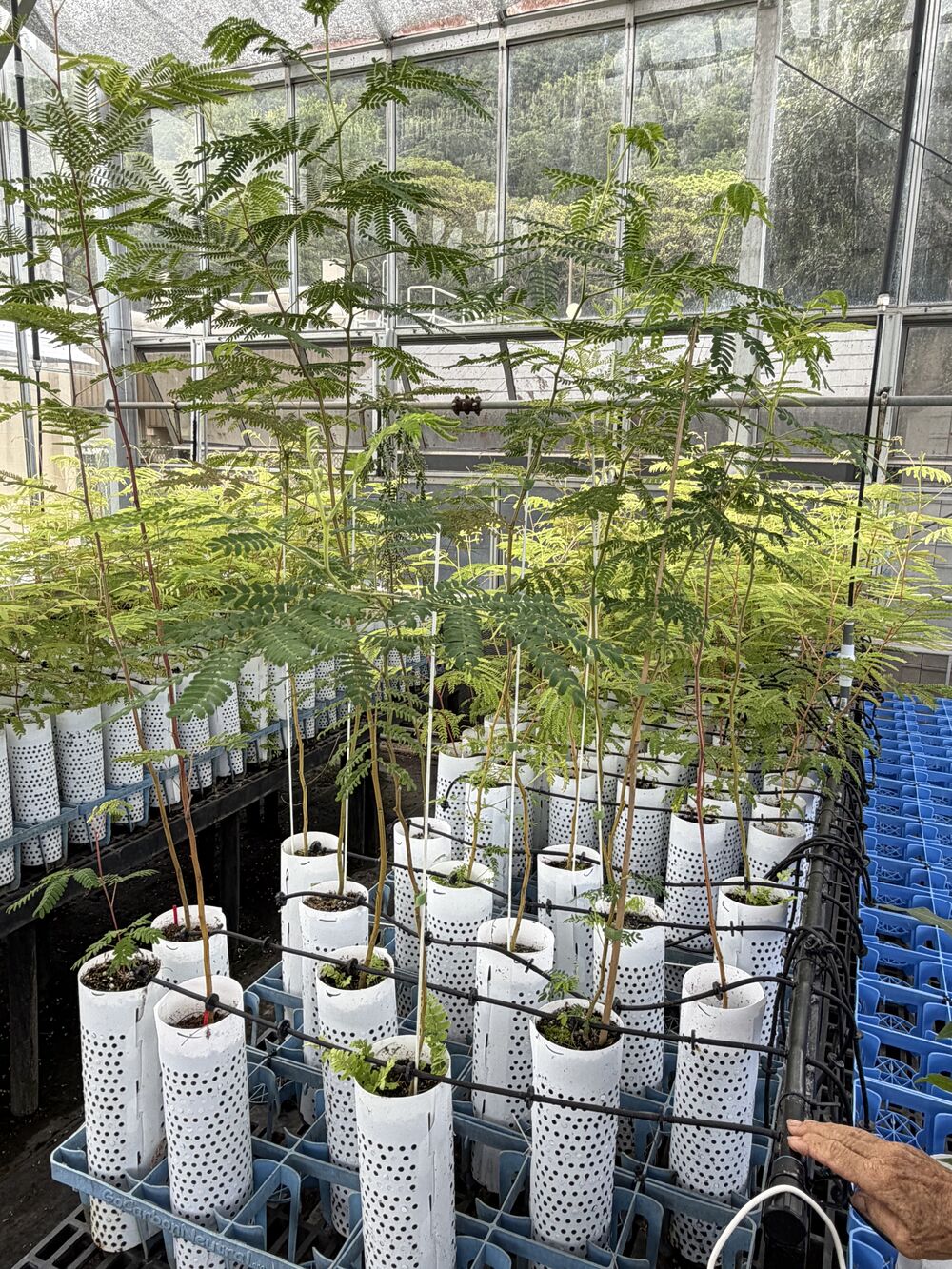
Plants our nursery holds at once: close to 2,000 in the glasshouse and over 1,000 hardening off in full sun.

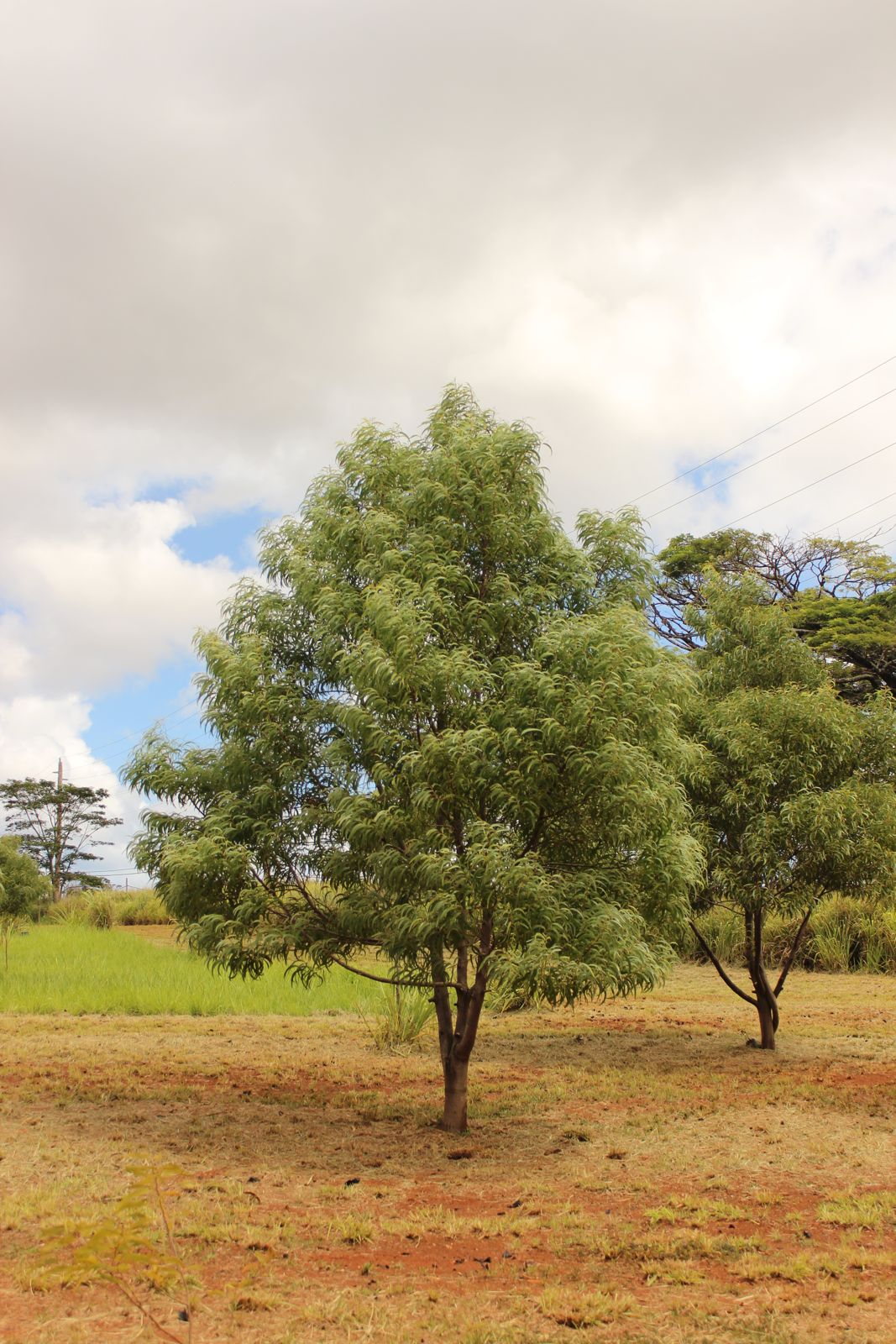
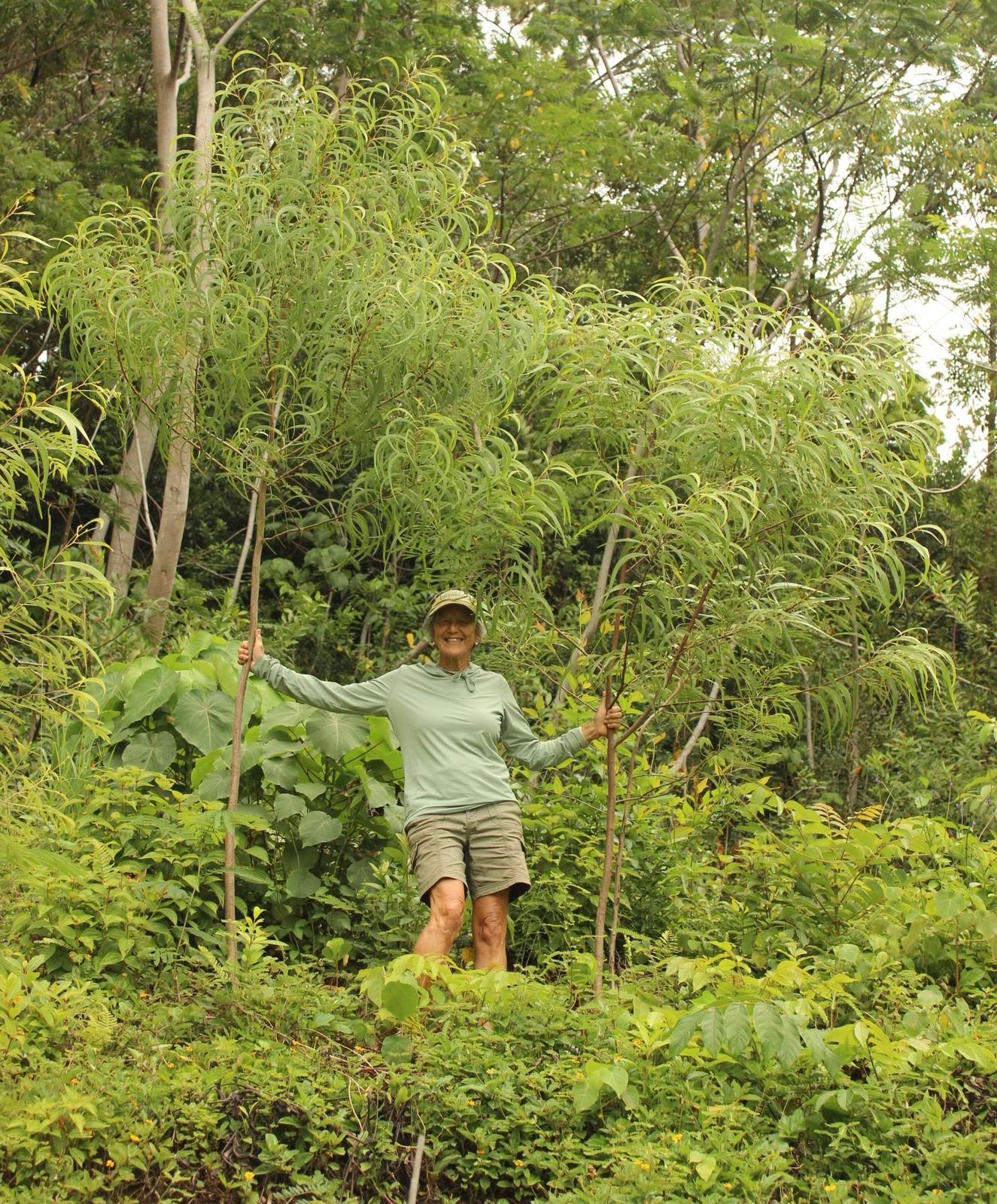
Koa grown six months in a sheet pot, then eight months in the ground.

Koaiʻa at seven months, planted as seedlings on April 9, 2026.

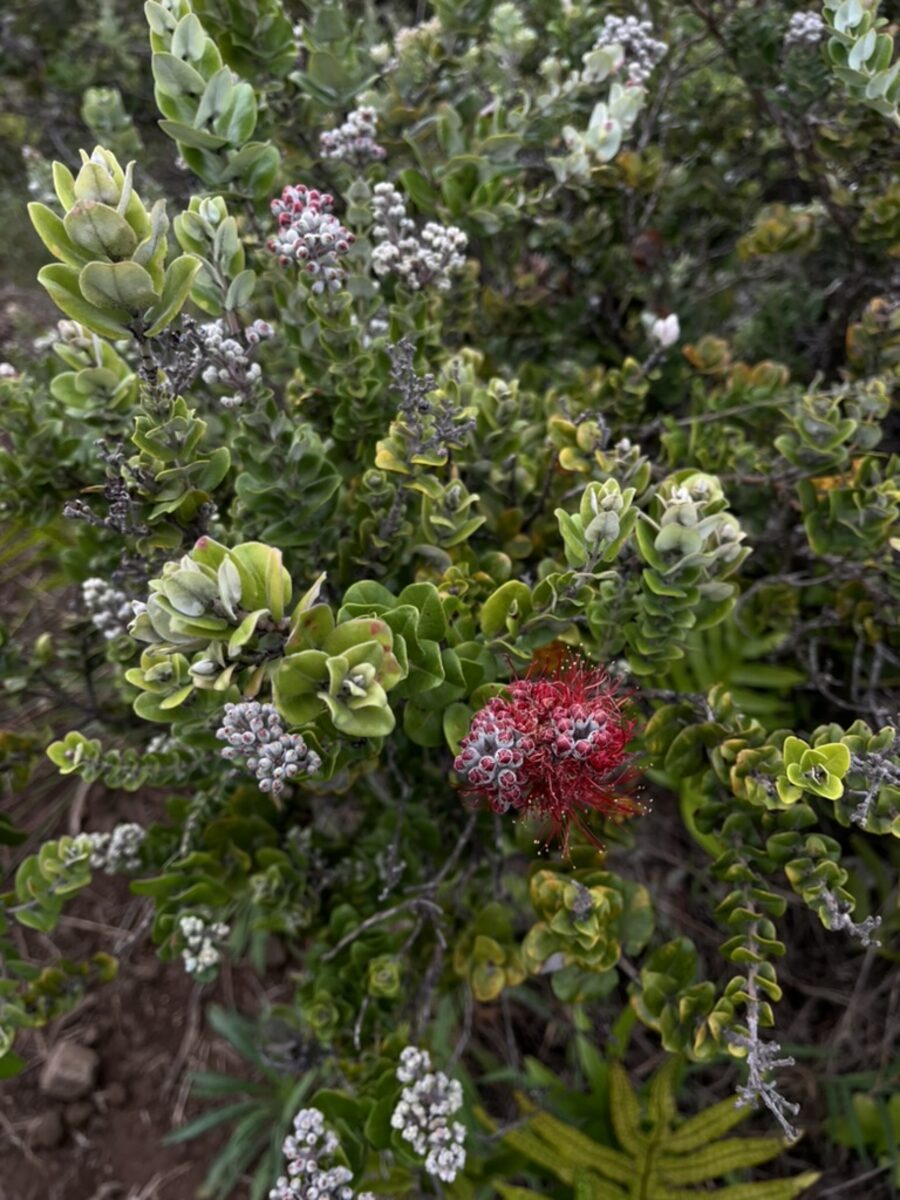
ʻŌhiʻa roots reaching air at the side holes, where they prune and branch.

A finished root ball: dense, straight, and holding together.

Across Oʻahu, we've grown and outplanted tens of thousands of plants this way. Survival still depends on site preparation and care after planting, but our partners report higher survival and less planting shock than with plants from hard plastic pots.

Video series · coming soon

Learn the method, one short video at a time.

An introduction and seven how-to videos, produced with Lucky 8 Marketing at our nursery, so any grower can get the same results we do.

▶

Meet Living Roots: founder Brenda LamIntroduction · Coming soon

▶

What is a Mora Sheet Pot?Video 1 · Coming soon

▶

Filling the sheet potVideo 2 · Coming soon

▶

Sowing seeds and transplanting seedlingsVideo 3 · Coming soon

▶

IrrigationVideo 4 · Coming soon

▶

How to outplantVideo 5 · Coming soon

▶

Setting up a sheet pot nurseryVideo 6 · Coming soon

▶

Our resultsVideo 7 · Coming soon

Plants we grow

Native species we've had success growing.

Nine native and culturally significant plants, each photographed from seed to sheet pot to full-grown tree. Pick a plant to step through its growth stages.

Open the full plant library →

About us · In our founder's words

The story behind Living Roots Initiative.

Four short chapters, told by Brenda Lam.

Chapter 1 · Fall 2023

Meeting Dr. Mora

In the fall of 2023, I met Dr. Camilo Mora from the University of Hawaiʻi. He gave a presentation about why we need to plant trees to offset our carbon footprint by restoring native forests. As I listened to his talk, I thought,

“Finally, someone with a scientific platform is speaking about something I have believed for years.”

If we truly want to address climate change and restore forests, we do not need another new invention. We need to make better use of nature’s greatest solution: trees.
Chapter 2 · The idea

A sheet with holes and no bottom

At a meeting with Dr. Mora, he introduced me to the Mora sheet pot and shared the story behind its development over a decade of research. He designed a simple plastic sheet with strategically placed holes and no bottom, allowing seedlings to develop healthy root systems and grow rapidly.

This innovation addresses some of the biggest problems in plant production: constant up-potting, seedling diseases from overwatering (damping-off), circling roots (root binding), and other challenges associated with growing plants in conventional nurseries which use plastic pots.

Chapter 3 · The background

Thirty years in the landscape

My interest in this work is also rooted in my professional background as a landscape architect and landscape contractor for over 30 years. I have extensive firsthand experience growing and installing plants produced in conventional plastic containers.

I have seen the long-term problems that poor root development can create once plants are planted in the ground.
Chapter 4 · Today

Growing more than trees

Because of this, I established a nonprofit organization, Living Roots Initiative. Our mission is to advance knowledge about the propagation and planting of native and culturally significant plants, producing healthier, faster-growing seedlings by growing our plants exclusively in Mora sheet pots.

At Living Roots Initiative, we believe we are growing more than trees. We are growing a network of knowledge rooted in science, culture, education, and collaboration.

By working together with researchers, practitioners, community organizations, educators, and volunteers, we can restore healthier forests, reduce our carbon footprint, strengthen our communities, and leave a lasting legacy for future generations.

Brenda G. Lam, Founder & President

Our team

The people behind the nursery.

Founder & President

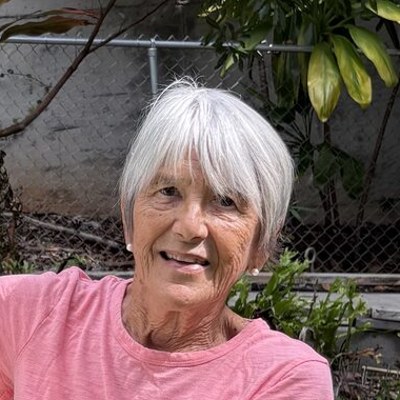
Brenda G. Lam

A landscape architect for more than 45 years and founder of the first woman-owned landscape design-build company in Hawaiʻi.

Brenda G. Lam has devoted more than 45 years in landscape architecture, horticulture, and conservation to protecting and restoring Hawaiʻi's unique natural environments. A Punahou School graduate, she earned bachelor's degrees in Art History and Landscape Architecture from the University of Hawaiʻi and a Master of Landscape Architecture and Environmental Planning from Utah State University. A licensed landscape architect, she began her career with Belt Collins & Associates and PBR Hawaiʻi before founding Pacific Kona Landscaping — the first woman-owned landscape design-build company in Hawaiʻi — which she led for 30 years. Since returning to Honolulu in 2019 she has served on the boards of Mālama Mānoa and The Outdoor Circle and volunteered with the Carbon Neutrality Challenge, a University of Hawaiʻi Foundation project restoring native forests. Today she serves as Nursery Manager at an active native plant nursery, where she helped develop and refine the sheet-pot propagation systems at the heart of Living Roots' mission.

Read more
Board of Directors

Connie Lam Clapp

An attorney and former Goldman Sachs vice president who has served on cultural, environmental and policy boards.

Born on the Island of Hawaiʻi and raised in Honolulu, Connie graduated from Punahou School before earning her bachelor's degree from the University of Colorado and her Juris Doctor from California Western School of Law. She specialized in regulatory and financial matters at Southwest Gas Corporation, then served as a Vice President in Municipal Finance at Goldman Sachs in New York City. Her board leadership spans cultural, environmental, and policy organizations including Lincoln Center Theater, the Preservation League of New York State, the Coalition to Save Rural Washington, the Foreign Policy Association, and the Alzheimer's Association. Recognizing the essential role of healthy forests in addressing climate change, Connie joined Living Roots to help build sustainable, scalable programs that strengthen the long-term health, resilience, and biodiversity of Hawaiʻi's native ecosystems.

Read more
Secretary & Treasurer

Samasoni Tamasese

A project manager at Hensel Phelps with a background in landscape construction and a lifelong appreciation for Hawaiʻi's forests.

Samasoni Tamasese is a Project Manager with Hensel Phelps, one of the nation's largest employee-owned general contractors, where he manages complex construction projects from planning and budgeting through quality assurance and team leadership. A graduate of Hawaii Preparatory Academy in Kamuela, he earned his bachelor's degree from Kansas State University and previously worked in landscape construction, developing a practical understanding of land stewardship and site development. An avid outdoorsman with a lifelong appreciation for Hawaiʻi's forests and watersheds, he oversees Living Roots' corporate records, financial administration, and regulatory compliance while contributing to its long-term strategic planning.

Read more
Living Roots Team

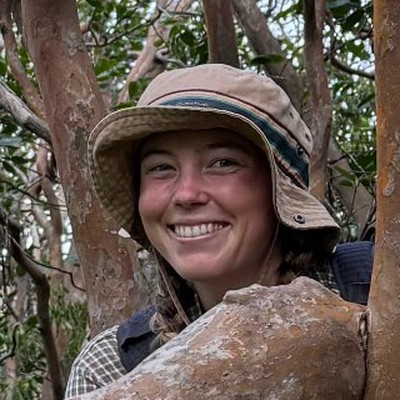
Olivia Ajamian-Taub

A non-profit nursery manager working in native plant restoration, and a long-time member of the Living Roots team.

Olivia Ajamian-Taub was born in California and raised across 4 different continents. Upon moving to Honolulu to attend UH Mānoa, she immediately fell into the wide and enchanting world of native plants. Since, she has pursued a career in native plant restoration, working as a non-profit nursery manager. At Living Roots, Olivia serves as a long-time volunteer, propagating plants and mobilizing the community to make native plants accessible and plentiful in both urban and natural landscapes.

Read more
Community

Grown by many hands.

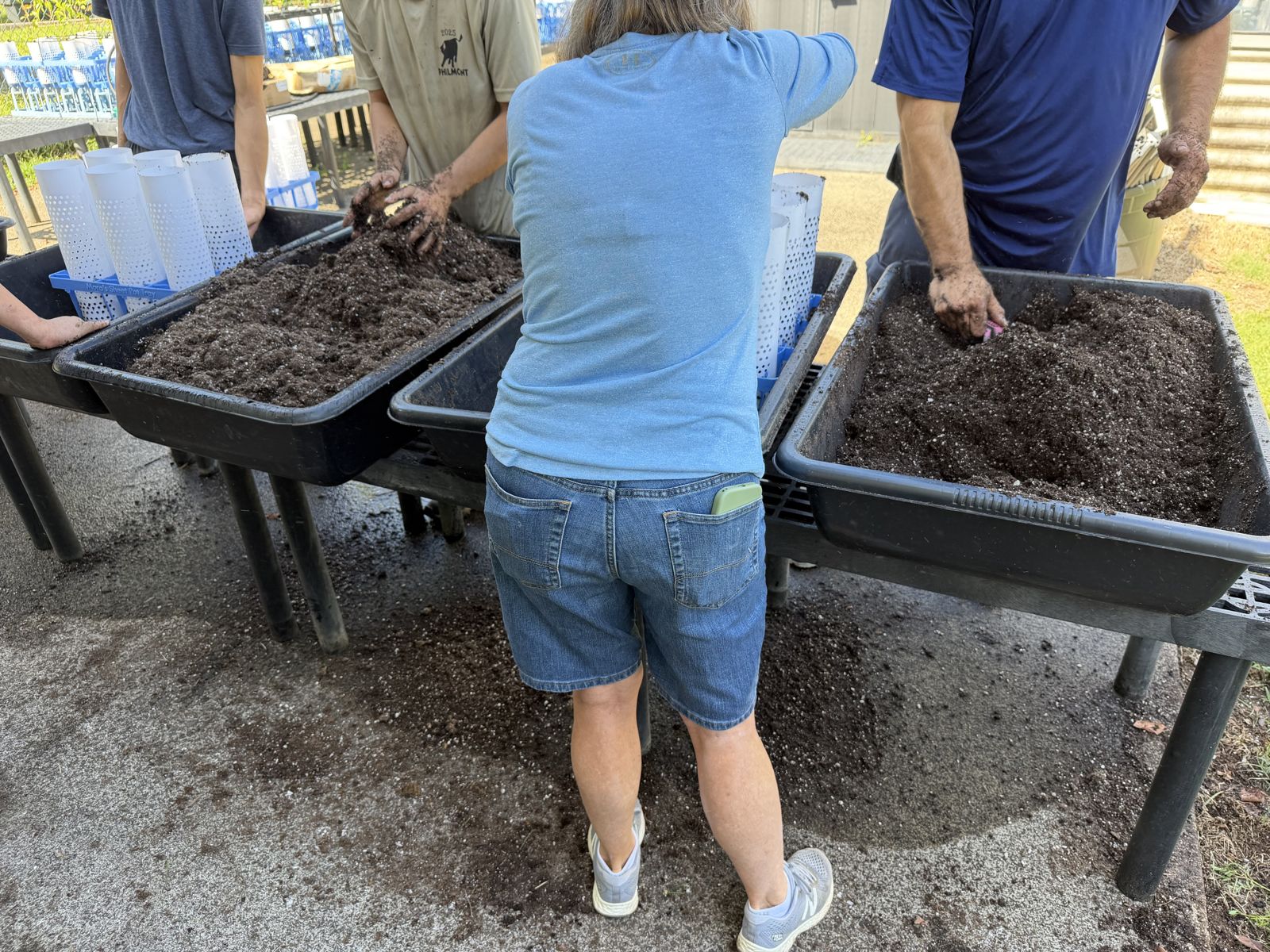
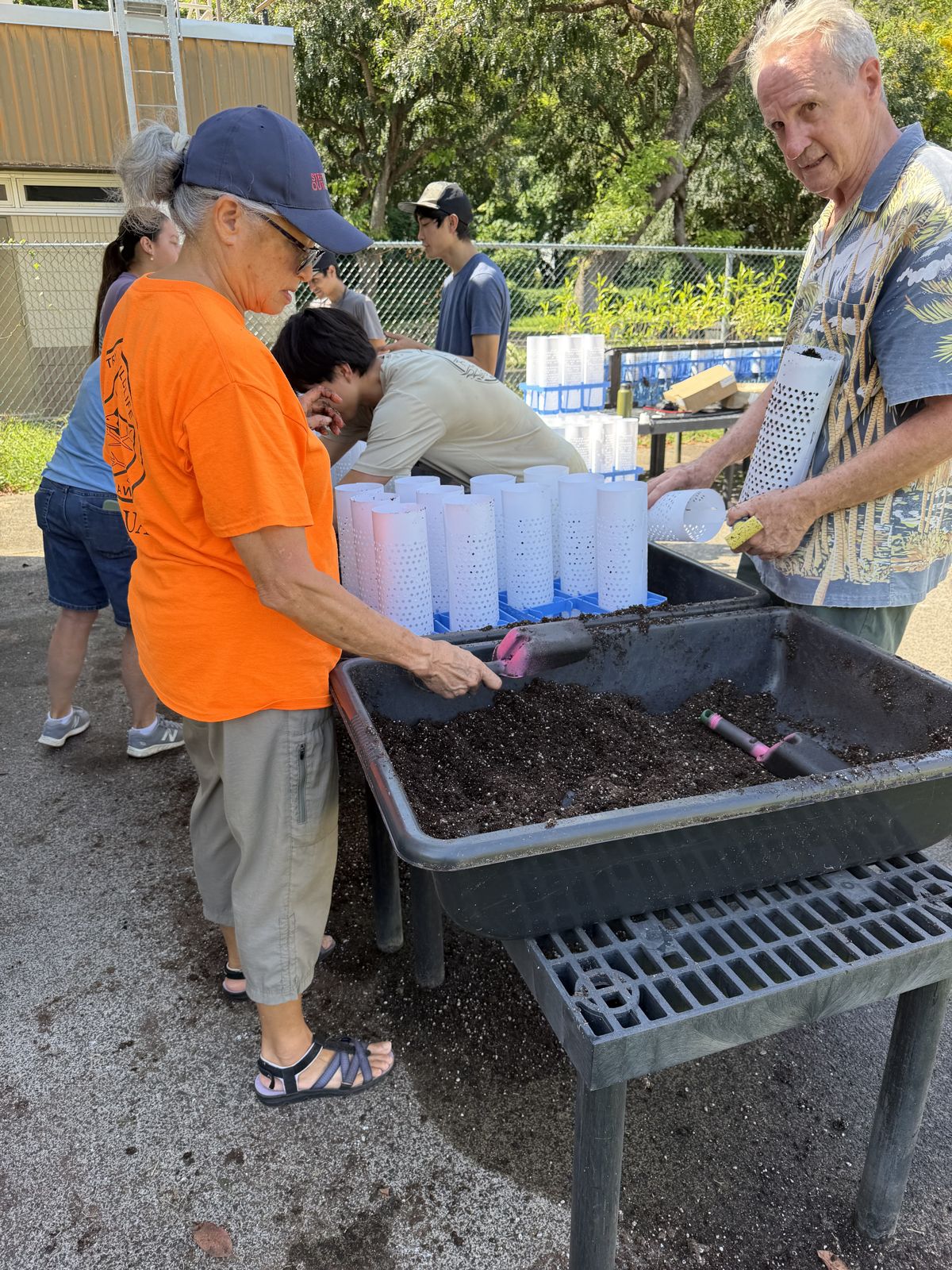
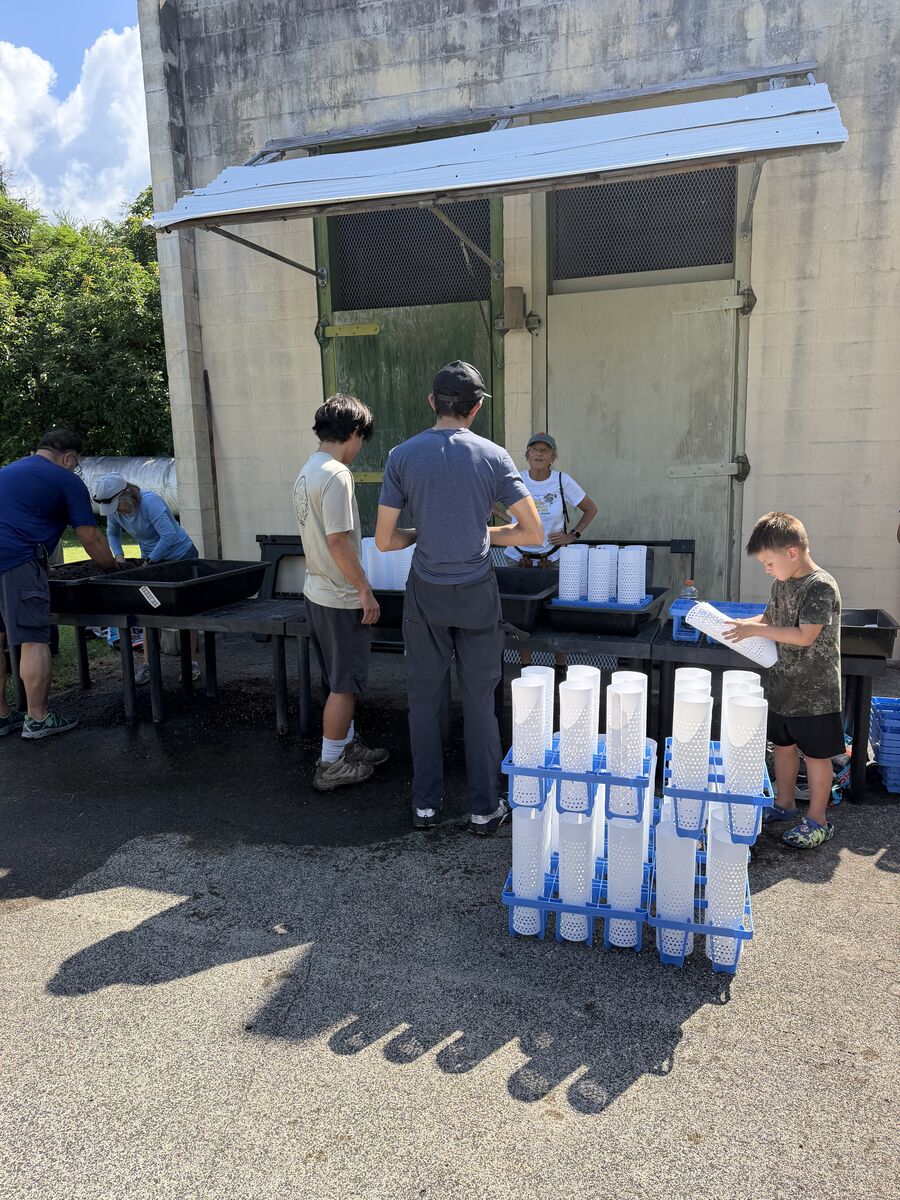
From prepping soil to filling sheet pots, volunteers of every age keep the nursery growing, and leave knowing how to grow natives themselves.

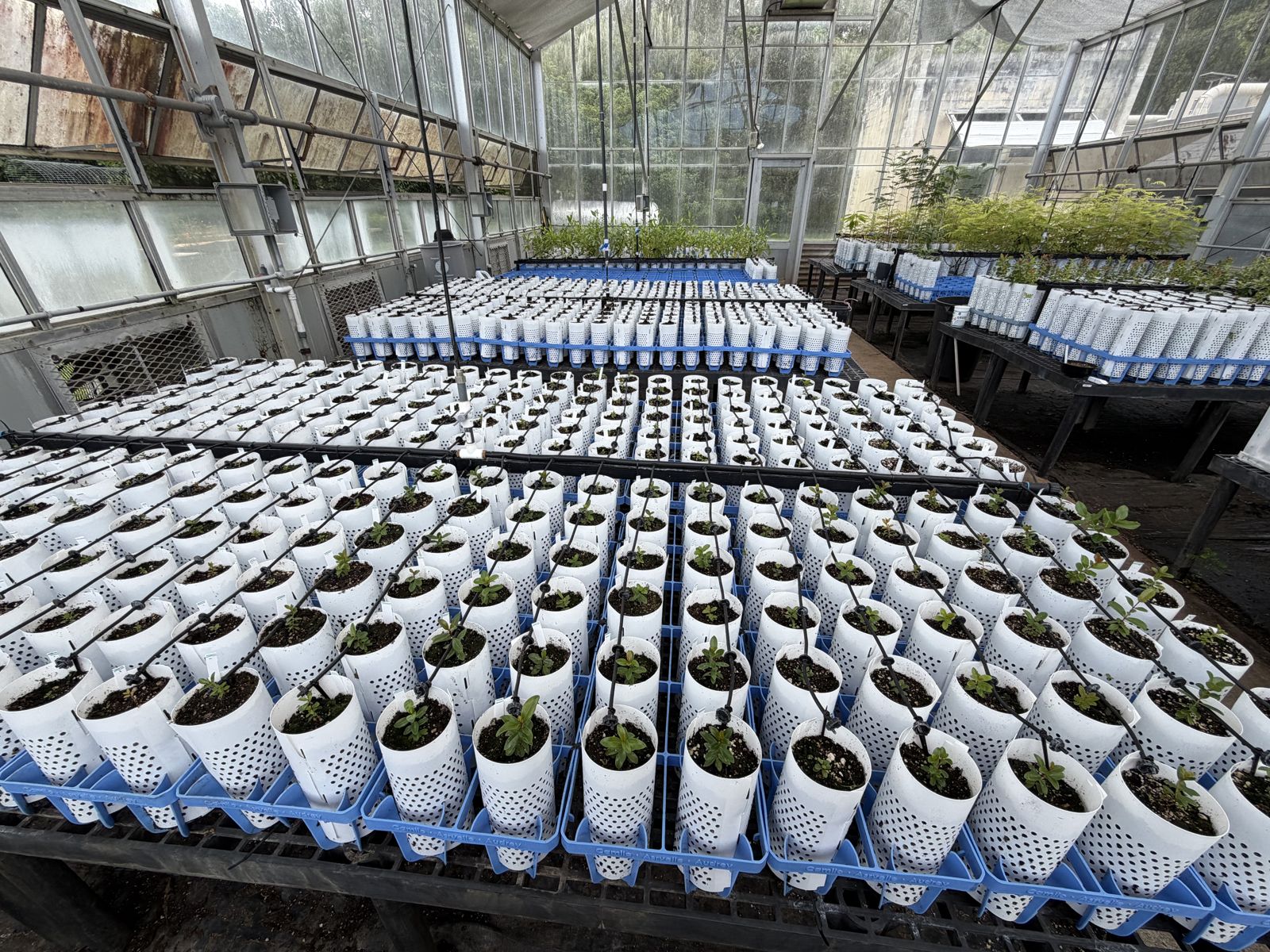
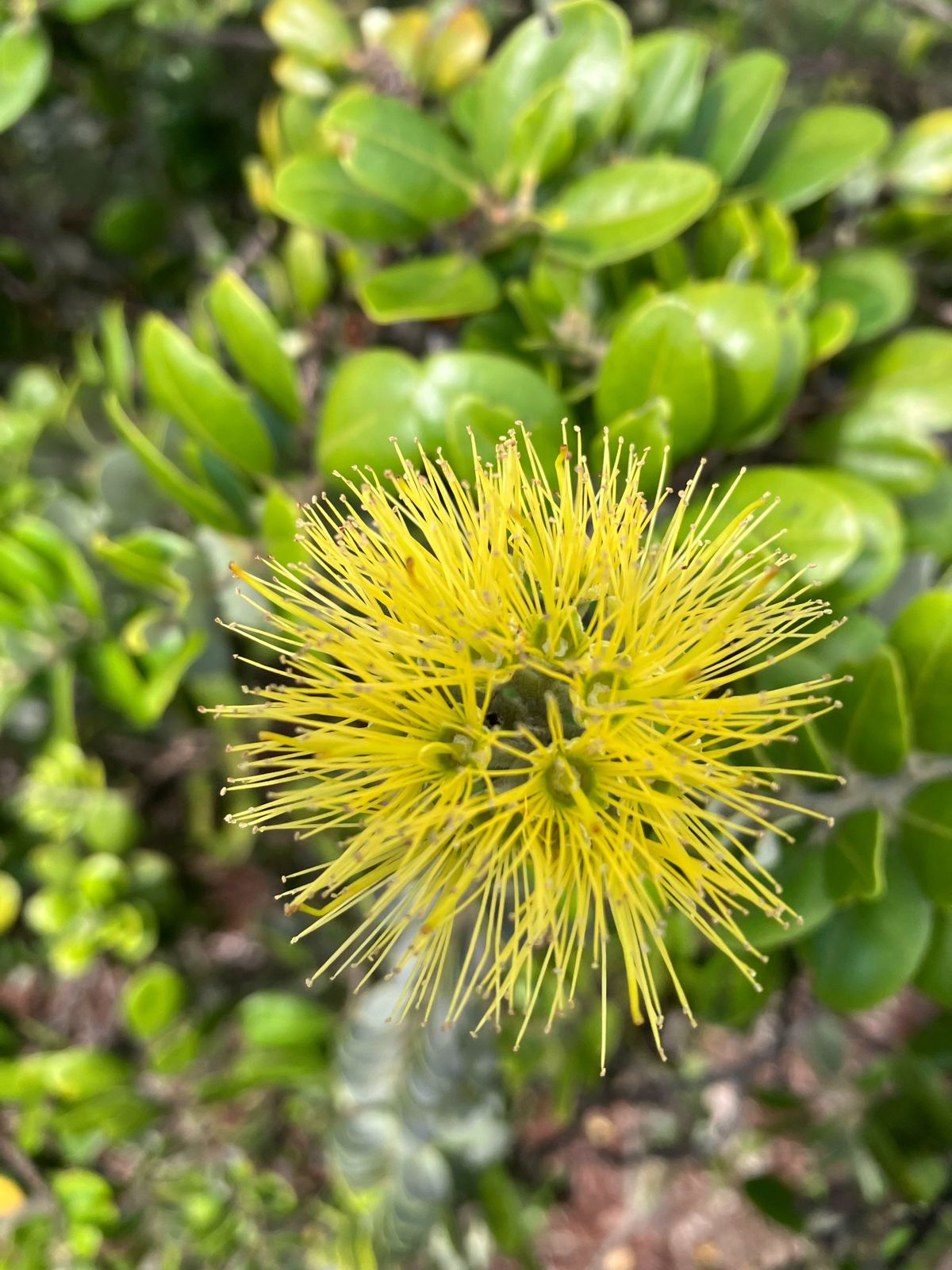
Benches of Mora Sheet Pots filling the glasshouseVolunteers mixing potting media at the filling tablesA yellow ʻōhiʻa lehua blossomVolunteers filling sheet pots togetherYoung seedlings in sheet pots on drip irrigationYoung trees growing tall on a nursery benchPlants hardening off outside the glasshouseVolunteers working on seedlings and sheet pots
Get involved

Help us grow more native Hawaiian plants.

There's a place for everyone — order plants for your own project, support the work, or learn the method and grow your own.

Order Plants

Looking for native, sheet-pot-grown seedlings for a restoration site, school, or garden? Tell us what you need and we'll follow up.

Inquire to order

Donate

Your gift funds seed, sheet pots, and the field trials that make our method free for others to use across the Pacific Rim.

Donate

Volunteer & learn

Join a nursery day to prep soil, fill sheet pots, and leave knowing how to grow natives yourself. Groups welcome.

Sign up to volunteer

More ways to plant

Our partners run their own planting and stewardship days, and they welcome volunteers.

Aloha ʻĀina Day at the Nation of Hawaiʻi

Community workdays in Waimānalo on the last Saturday of every month, 10 am to 2 pm. Volunteers restore agricultural sites and streams, clear invasive species, and plant native trees and food sources. RSVP required.

RSVP for a workday

Carbon Neutrality Challenge

Dr. Mora's University of Hawaiʻi project is restoring native forests with large community tree plantings: 1,100 trees in two hours and 10,000 in a day so far.

Sign up to plant

Our community

Community collaborators

Living Roots grows through partnership. These are the groups we worked with on the 2026 Mālama Mānoa Plant Giveaway, alongside the lab where the method began.

Are we working together and you'd like to be listed here? Let us know and we'll add your name and logo with your permission.

Contact

Ask a question or sign up to volunteer.

We'd love to hear from you.

Questions about the Mora Sheet Pot method, ordering plants, donating, or partnering? Send a note and we'll get back to you.

Ready to get your hands in the soil? Use the volunteer sign-up and we'll reach out with upcoming nursery days.

Based in Hawaiʻi · Serving the Pacific Rim

Ask a question

Volunteer sign-up